Henry County’s Source for Local News, Business & Community Insights...
Stay informed. Stay connected. Stay ahead.
September 03.2025
3 Minutes Read
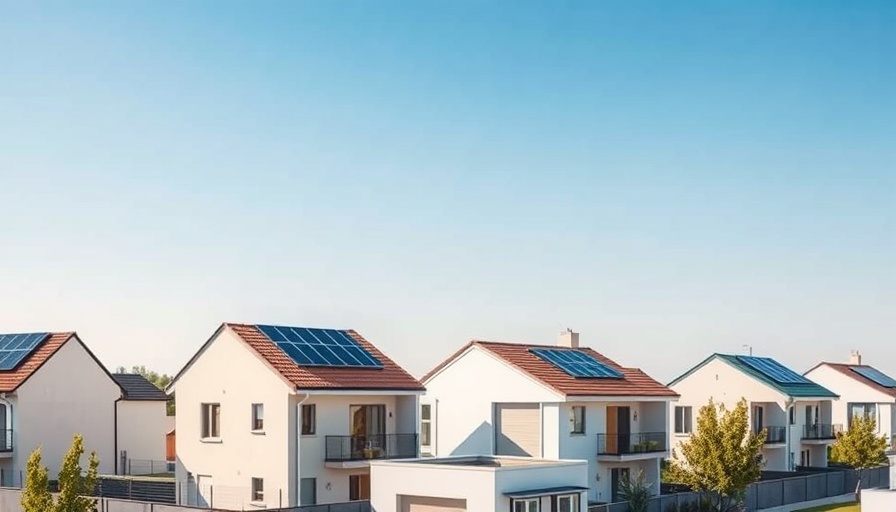
Record Low U.S. Residential Solar Prices at $29,000: What Homeowners Need to Know
21 Views
Related Posts All Posts

08.31.2026
How Africa's First 24/7 Solar Baseload Plant Will Transform Energy Costs
Update A New Era for Renewable Energy: Africa's Solar Baseload Plant A significant leap in renewable energy has been achieved in the heart of Africa with the launch of the continent's first 24/7 solar baseload power plant at a copper mine in the Democratic Republic of the Congo (DRC). This innovative facility not only harnesses solar energy but integrates cutting-edge battery technology to store power, ensuring a steady and reliable energy supply around the clock. The Power of Battery Technology in Renewable Energy The key to this new solar plant's success lies in its battery storage systems. Traditionally, solar energy generation has faced challenges regarding consistency, especially during night hours or cloudy days. However, with advanced battery technology, excess energy generated during the day can be stored and utilized when needed, effectively decoupling energy production from consumption schedules. This adaptation is particularly crucial for industries like mining, which require continuous power supply for their operations. Moreover, the types of batteries utilized in this facility are often lithium-ion or other similar technologies, which have seen significant advancements, making them cheaper and more efficient. The ability to deploy these batteries allows the DRC to manage its energy resources more effectively, leading to greater reliability in energy supply for industrial operations and, potentially, residential use in nearby communities. Economic and Environmental Impacts The impact of the DRC's solar baseload plant extends beyond just reliable energy. Economically, it represents a significant reduction in energy costs for mining operations, which have historically relied on fossil fuels. Lower energy costs can increase profit margins for mining companies, potentially boosting the local economy and creating jobs. According to industry experts, the financial benefits of transitioning to solar can be substantial, creating an environment for reinvestment in local infrastructures, such as roads and community services. Environmentally, the shift from fossil fuels to renewable energy aligns with global efforts to reduce carbon footprints and combat climate change, positioning the DRC as a leader in sustainable mining practices in Africa. This transition not only contributes to global sustainability goals but can also improve the quality of life for local populations. Cleaner air and reduced reliance on imported fuels can enhance the overall health and well-being of communities surrounding the mines. Lessons from Global Renewable Energy Trends While this achievement is groundbreaking for Africa, it also draws inspiration from global trends in renewable energy. Countries worldwide, such as Germany and China, have been investing heavily in solar technology and battery storage systems for years. As these nations have demonstrated, integrating renewable energy sources into the grid can lead to increased energy resilience and lower overall costs. For countries like the DRC, which is rich in solar potential and mineral resources but faced with energy access challenges, adopting similar strategies can prove beneficial. In addition, international collaborations could play an essential role in facilitating knowledge transfer and investment to ensure that developing regions can leverage the latest technological advancements. Learning from the successes and setbacks of other nations will not only bolster the implementation of renewable projects but also ensure a path toward a more sustainable future. Future Predictions: A South African Model? Looking forward, the success of the DRC solar plant may act as a model for other countries in the region, paving the way for additional solar baseload facilities to emerge. With South Africa also investing heavily in solar power, the potential for a broader regional energy transition is conceivable. Collaborative initiatives among African nations could enhance energy independence, decrease reliance on coal, and contribute to wider economic progress across the continent. Moreover, strengthening regional ties can bolster shared capabilities in energy trading, creating a network that allows countries to utilize excess solar power generated during peak sunlight hours efficiently. By working together, African nations could indeed create a more integrated energy market, paving the way for sustainable growth and energy security. Innovative Solutions Facing Challenges Despite this groundbreaking advancement, challenges remain. Access to advanced technologies can be limited in developing regions, and financial investment is crucial for the expansion of such projects. Addressing these barriers through partnerships with international renewable energy firms could promote the successful replication of the DRC's model in other mining areas. Additionally, developing training programs for local technicians and engineers can enhance the skill set available in-country, further solidifying the transition toward renewable energy. It’s also important to recognize that while this solar initiative is a step in the right direction, it must be part of a more extensive energy strategy that includes diversified energy sources, including wind and hydroelectric power. A multifaceted approach to energy production is vital to ensure long-term sustainability and reliability. Concluding Thoughts: Navigating the Future of Energy The launch of Africa's first 24/7 solar baseload power plant signifies a pivotal moment for the continent's energy landscape. It sets the stage for increased efficiency, economic savings, and environmental responsibility. As more companies recognize the benefits of investing in sustainable and reliable energy solutions, the future looks bright for African economies aiming to balance growth with sustainability. This initiative not only promises to enhance the economic fabric of the DRC but also serves as a beacon of hope for other nations throughout Africa, inviting them to explore the diverse potential of renewable energy solutions.

08.30.2026
Exploring the Impact of Legal Plug-In Solar Panels in the UK
Update Understanding the New Era: Plug-In Solar Panels in the UK The shift toward renewable energy has been nothing short of transformative, offering homeowners and businesses alike practical solutions to combat rising energy costs. One of the most significant recent developments in this arena is the legalization of plug-in solar panels in the UK. With this innovation, the barriers to adopting solar technology have diminished, allowing everyday consumers an accessible entry point into sustainable energy production. What Are Plug-In Solar Panels? Plug-in solar panels are essentially photovoltaic systems that you can install without special permissions, making them ideal for residential usage. Unlike traditional solar panel systems, which require complicated installation and approval processes, plug-in solar panels simply need to be connected to a standard power outlet. This allows users to start generating their own electricity almost immediately. Furthermore, these systems can often be installed in a few hours, whether on a balcony, terrace, or simply by plugging into an existing socket, which makes them accessible even for those who might not be technically inclined. Legal Landscape: Why the Change Matters Previously, the installation of solar panels in the UK required extensive approvals due to concerns regarding safety and grid stability. However, public awareness of climate change, combined with calls for sustainable energy solutions, led to a shift in regulations. In a significant policy update, the UK government has now legalized the use of these user-friendly solar technologies. By doing so, they aim to encourage a more eco-conscious community while enabling cost savings. This change reflects a growing recognition of the importance of supporting renewable energy sources as a critical component of a sustainable future. Moreover, these policies align with the UK’s commitment to reducing reliance on fossil fuels, as seen in recent climate agreements and initiatives. Cost-Effectiveness and Value For homeowners aged 30-65, cost remains a critical factor. The upfront investment in traditional solar systems can be substantial, often deterred by lengthy payback periods. In contrast, plug-in solar panels present a lower barrier to entry, offering a much quicker return on investment. Many families can reduce their monthly energy bills significantly by generating their power, allowing them to see savings on their electricity costs as soon as they’re plugged in. Additionally, these financial benefits extend beyond mere savings. Homeowners often find that properties equipped with renewable energy solutions, such as plug-in solar panels, can increase in market value. This growing trend among homebuyers who prioritize energy efficiency and sustainability creates a compelling advantage for current homeowners looking to sell in the future. Environmental Impact: A Green Revolution Adopting solar energy isn’t just about saving money; it’s also about sustainability. The UK has ambitious targets to reduce greenhouse gas emissions, and widespread adoption of plug-in solar panels can significantly contribute to these goals. According to climate experts, increased solar penetration can lead to a decarbonization of the energy sector, transitioning from fossil fuels to cleaner alternatives. By harnessing the power of the sun, households can play an active role in reducing carbon footprints, enabling Britain to become a greener nation. Comparing Options: Exploring Alternatives While plug-in solar panels showcase convenience and immediate savings, they don’t come without limitations. Traditional solar panel systems, while requiring more initial investment, may provide higher energy output and can be integrated into smart home systems. For homeowners, a comprehensive understanding of these comparisons will allow for better-informed decisions aligned with their financial situations and energy needs. Traditional systems might be preferable for larger families with higher energy consumption, whereas plug-in systems may suit smaller households or those looking for a supplementary energy source. Future Insights: The Possibilities Ahead The legalization of plug-in solar panels is merely the tipping point for a broader solar revolution in the UK. As technology continues to evolve, we can expect enhancements in energy efficiency and the implementation of tailored incentives for eco-conscious consumers. Future innovations might include improved battery technologies and smarter grid systems that integrate renewable sources more seamlessly. These advancements could also facilitate new business models in energy consumption, such as energy sharing among neighbors or community solar projects that further empower local populations. Common Misconceptions about Solar Panels One prevalent myth is that solar panels only work in sunny climates. In fact, solar technology can generate energy even on cloudy days, which is particularly relevant for the UK's often-overcast weather conditions. Furthermore, many believe that solar panels are only feasible for wealthy homeowners. However, with products like plug-in solar panels that come at a lower price, a broader demographic can now engage with renewable energy initiatives, effectively democratizing access to solar technology. Conclusion: Moving Forward with Sustainable Energy The legalization of plug-in solar panels marks an exciting advancement in the UK’s transition to renewable energy. By lowering the entry barriers for consumers, this innovation encourages sustainable living and equips homeowners to take control of their energy consumption. As you consider whether plug-in solar technology is right for you, think about the long-term benefits not just for your wallet but for the planet. To learn more about how you can take advantage of the new plug-in solar panel regulations and start your own renewable energy journey, stay informed by exploring trustworthy resources and community groups focused on sustainability. Participating in workshops or local sustainability fairs can further enhance your understanding and encourage others to join the movement toward a more sustainable future.

08.29.2026
The Rise of Solar-Powered Schools: What it Means for Eco-Conscious Homeowners
Update Solar-Powered Schools: A Growing Trend in Education Recent reports indicate that 1 in 7 students in the United States now attends a solar-powered school, highlighting a significant shift towards renewable energy sources in the educational sector. This statistic not only demonstrates an increasing commitment to sustainability among educational institutions but also reflects a broader societal trend towards eco-friendly practices. The Importance of Solar Energy in Today's Schools Solar energy is revolutionizing how schools operate across the country. With energy savings from solar installations, funds can be redirected towards educational programs, resources, and facilities improvements. In addition, solar schools often serve as practical learning examples, providing students with real-time insights into renewable energy technologies and their benefits. The physical presence of solar panels on school rooftops sparks curiosity among students and teachers alike, making it easier to incorporate discussions about energy and environmental conservation into the curriculum. The Impact of Solar Energy on Education and Costs One of the most significant benefits of solar energy in schools is the potential for substantial cost savings. According to a recent analysis, schools with solar installations can save between 20-30% on their electricity bills. These savings can be redirected to crucial areas such as academic programs, sports facilities, and even improvements to infrastructure. This is particularly important as many school districts strive to manage tight budgets while still seeking enhanced educational outcomes for their students. Why Solar-Powered Schools Matter to Homeowners For homeowners aged 30-65 looking to lower energy costs, the rise of solar-powered schools provides a great incentive. Communities that invest in solar energy not only witness lower school operational costs but also potentially increase property values. As neighborhoods become more sustainable, homes within those areas may become more attractive to eco-conscious consumers. In fact, studies have shown that properties near solar-powered institutions can command higher prices, making the investment in solar panels at schools beneficial for the community as a whole. Broader Implications for Sustainability in Communities The shift towards solar energy in schools goes beyond mere cost savings. It embodies a collective responsibility towards environmental stewardship. Communities are being prompted to rethink their energy policies and educational curriculums to support sustainable practices. This transformation can inspire future generations to prioritize eco-friendly solutions in their personal and professional lives. With the rising awareness surrounding environmental issues, educating students about renewable energy at a young age ensures that they grow up with a mentality geared towards sustainability and conservation. Benchmarking Against Other Renewable Initiatives Comparatively, solar-powered schools can be positioned alongside other renewable initiatives in the public sector. As more governmental projects adopt solar technologies, it builds momentum for private sectors to follow suit. Innovations in technology also make solar installations more efficient and aesthetically appealing, which may motivate more businesses and homes to consider similar upgrades. This synergistic effect encourages a holistic approach to sustainability in energy consumption, where schools can lead the way as catalysts for change in the community. The Role of Community in Promoting Solar Energy Community involvement plays a critical role in the expansion of solar energy use within school systems. Local stakeholders, including parents and businesses, can advocate for solar installations through fundraising initiatives, awareness campaigns, and collaboration with educational boards. Community-based programs can also educate residents about the benefits of solar energy, creating a more informed populace that champions these eco-friendly solutions. For homeowners and local businesses, supporting solar initiatives can lead to partnerships that foster economic growth alongside environmental preservation. Future Predictions: The Direction of Solar Power in Education Looking ahead, experts predict that the number of solar-powered schools will continue to rise significantly. Government incentives and advancements in solar technology are making installations more accessible and cost-effective. Moreover, as climate awareness grows among the public and educators, more educational institutions are likely to embrace solar energy, setting a precedent for other sectors. Additionally, programs encouraging student engagement with renewable energy projects can further solidify the role of solar power in education. Tools and Techniques for Schools Interested in Solar Energy For schools contemplating the transition to solar energy, several resources are available. Organizations such as the Solar Energy Industries Association (SEIA) offer tools to help schools navigate the process of obtaining funding and making installations. Furthermore, many states provide grants and incentives specifically aimed at increasing solar adoption in education. Schools can also partner with local solar providers who can offer insights into optimal systems, installation processes, and maintenance requirements. Networking with other solar-powered institutions can provide valuable information on best practices and potential challenges to anticipate. Conclusion: The Importance of Embracing Solar for a Sustainable Future The rise of solar-powered schools represents not just a trend but an urgent necessity in modern education and community planning. As homeowners and students alike benefit from the financial and environmental impacts of solar energy, embracing this technology can lead to a more sustainable future. Educators and community leaders are encouraged to advocate for solar energy solutions to foster both educational enhancement and environmental responsibility among future generations. By getting involved in local sustainability efforts, readers are urged to explore options like installing solar panels in their homes and supporting local schools as they transition to renewable energy. By contributing to these initiatives, homeowners not only enhance their property value but also play a vital role in nurturing a more sustainable community for all.
✅ Local News & Business – Events, openings & trends.
✅ Home & Real Estate – Roofing, solar & renovations.
✅ Community & Lifestyle – Events, dining & wellness.
✅ Deals & Directories – Trusted services & offers.
✅ Advertising & Leads – Connect with customers.
📍 Your Community. Your Insider Access. 🚀
Feature your business? [Contact us!]

Henry County Insider:
Kindly Stay Connected With Us:
AVAILABLE FROM 8AM - 5PM
City, State
, ,
, ,


THANK YOU FOR VISITING..!
Henry County Insider keeps you plugged into Stockbridge, McDonough, Locust Grove, and Hampton with the latest news, business spotlights, home services, and local deals.
Whether you're a homeowner, business owner, or just love staying in the know, we bring insider access to everything that matters in Henry County.
© 2026 Henry County Insider All Rights Reserved. Henry County, -, - - . Contact Us . Terms of Service . Privacy Policy
eyJjb21wYW55IjoiSGVucnkgQ291bnR5IEluc2lkZXIiLCJhZGRyZXNzIjoiSGVucnkgQ291bnR5IiwiY2l0eSI6Ii0iLCJzdGF0ZSI6Ii0iLCJ6aXAiOiItIiwiZW1haWwiOiJjb25uZWN0QEhlbnJ5Q291bnR5SW5zaWRlci5jb20iLCJ0b3MiOiJQSEErUEhOMGNtOXVaejQ4WlcwK1YyaGxiaUI1YjNVZ2MybG5iaTFwYmlCM2FYUm9JSFZ6TENCNWIzVWdZWEpsSUdkcGRtbHVaeVp1WW5Od095QjViM1Z5SUhCbGNtMXBjM05wYjI0Z1lXNWtJR052Ym5ObGJuUWdkRzhnYzJWdVpDQjViM1VnWlcxaGFXd2dZVzVrTDI5eUlGTk5VeUIwWlhoMElHMWxjM05oWjJWekxpQkNlU0JqYUdWamEybHVaeUIwYUdVZ1ZHVnliWE1nWVc1a0lFTnZibVJwZEdsdmJuTWdZbTk0SUdGdVpDQmllU0J6YVdkdWFXNW5JR2x1SUhsdmRTQmhkWFJ2YldGMGFXTmhiR3g1SUdOdmJtWnBjbTBnZEdoaGRDQjViM1VnWVdOalpYQjBJR0ZzYkNCMFpYSnRjeUJwYmlCMGFHbHpJR0ZuY21WbGJXVnVkQzQ4TDJWdFBqd3ZjM1J5YjI1blBqd3ZjRDRLQ2p4d1BqeGhJR2h5WldZOUltaDBkSEE2THk5M2QzY3VaMjl2WjJ4bExtTnZiU0krYUhSMGNEb3ZMM2QzZHk1bmIyOW5iR1V1WTI5dFBDOWhQand2Y0Q0S0NqeHdQaVp1WW5Od096d3ZjRDRLQ2p4d1BqeHpkSEp2Ym1jK1UwVlNWa2xEUlR3dmMzUnliMjVuUGp3dmNENEtDanh3UGxkbElIQnliM1pwWkdVZ1lTQnpaWEoyYVdObElIUm9ZWFFnWTNWeWNtVnVkR3g1SUdGc2JHOTNjeUI1YjNVZ2RHOGdjbVZqWldsMlpTQnlaWEYxWlhOMGN5Qm1iM0lnWm1WbFpHSmhZMnNzSUdOdmJYQmhibmtnYVc1bWIzSnRZWFJwYjI0c0lIQnliMjF2ZEdsdmJtRnNJR2x1Wm05eWJXRjBhVzl1TENCamIyMXdZVzU1SUdGc1pYSjBjeXdnWTI5MWNHOXVjeXdnWkdselkyOTFiblJ6SUdGdVpDQnZkR2hsY2lCdWIzUnBabWxqWVhScGIyNXpJSFJ2SUhsdmRYSWdaVzFoYVd3Z1lXUmtjbVZ6Y3lCaGJtUXZiM0lnWTJWc2JIVnNZWElnY0dodmJtVWdiM0lnWkdWMmFXTmxMaUJaYjNVZ2RXNWtaWEp6ZEdGdVpDQmhibVFnWVdkeVpXVWdkR2hoZENCMGFHVWdVMlZ5ZG1salpTQnBjeUJ3Y205MmFXUmxaQ0FtY1hWdmREdEJVeTFKVXlaeGRXOTBPeUJoYm1RZ2RHaGhkQ0IzWlNCaGMzTjFiV1VnYm04Z2NtVnpjRzl1YzJsaWFXeHBkSGtnWm05eUlIUm9aU0IwYVcxbGJHbHVaWE56TENCa1pXeGxkR2x2Yml3Z2JXbHpMV1JsYkdsMlpYSjVJRzl5SUdaaGFXeDFjbVVnZEc4Z2MzUnZjbVVnWVc1NUlIVnpaWElnWTI5dGJYVnVhV05oZEdsdmJuTWdiM0lnY0dWeWMyOXVZV3hwZW1GMGFXOXVJSE5sZEhScGJtZHpMand2Y0Q0S0NqeHdQbGx2ZFNCaGNtVWdjbVZ6Y0c5dWMybGliR1VnWm05eUlHOWlkR0ZwYm1sdVp5QmhZMk5sYzNNZ2RHOGdkR2hsSUZObGNuWnBZMlVnWVc1a0lIUm9ZWFFnWVdOalpYTnpJRzFoZVNCcGJuWnZiSFpsSUhSb2FYSmtJSEJoY25SNUlHWmxaWE1nS0hOMVkyZ2dZWE1nVTAxVElIUmxlSFFnYldWemMyRm5aWE1zSUVsdWRHVnlibVYwSUhObGNuWnBZMlVnY0hKdmRtbGtaWElnYjNJZ1kyVnNiSFZzWVhJZ1lXbHlkR2x0WlNCamFHRnlaMlZ6S1M0Z1dXOTFJR0Z5WlNCeVpYTndiMjV6YVdKc1pTQm1iM0lnZEdodmMyVWdabVZsY3l3Z2FXNWpiSFZrYVc1bklIUm9iM05sSUdabFpYTWdZWE56YjJOcFlYUmxaQ0IzYVhSb0lIUm9aU0JrYVhOd2JHRjVJRzl5SUdSbGJHbDJaWEo1SUc5bUlHVmhZMmdnVTAxVElIUmxlSFFnYldWemMyRm5aU0J6Wlc1MElIUnZJSGx2ZFNCaWVTQjFjeTRnU1c0Z1lXUmthWFJwYjI0c0lIbHZkU0J0ZFhOMElIQnliM1pwWkdVZ1lXNWtJR0Z5WlNCeVpYTndiMjV6YVdKc1pTQm1iM0lnWVd4c0lHVnhkV2x3YldWdWRDQnVaV05sYzNOaGNua2dkRzhnWVdOalpYTnpJSFJvWlNCVFpYSjJhV05sSUdGdVpDQnlaV05sYVhabElIUm9aU0JUVFZNZ2RHVjRkQ0J0WlhOellXZGxjeTRnVjJVZ1pHOGdibTkwSUdOb1lYSm5aU0JoYm5rZ1ptVmxjeUJtYjNJZ1pHVnNhWFpsY25rZ2IyWWdaVzFoYVd3Z2IzSWdVMDFUTGlCVWFHbHpJR2x6SUdFZ1puSmxaU0J6WlhKMmFXTmxJSEJ5YjNacFpHVmtJR0o1SUhWekxpQkliM2RsZG1WeUxDQndiR1ZoYzJVZ1kyaGxZMnNnZDJsMGFDQjViM1Z5SUdsdWRHVnlibVYwSUhObGNuWnBZMlVnY0hKdmRtbGtaWElnWVc1a0lHTmxiR3gxYkdGeUlHTmhjbkpwWlhJZ1ptOXlJR0Z1ZVNCamFHRnlaMlZ6SUhSb1lYUWdiV0Y1SUdsdVkzVnlJR0Z6SUdFZ2NtVnpkV3gwSUdaeWIyMGdjbVZqWldsMmFXNW5JR1Z0WVdsc0lHRnVaQ0JUVFZNZ2RHVjRkQ0J0WlhOellXZGxjeUIwYUdGMElIZGxJR1JsYkdsMlpYSWdkWEJ2YmlCNWIzVnlJRzl3ZEMxcGJpQmhibVFnY21WbmFYTjBjbUYwYVc5dUlIZHBkR2dnYjNWeUlHVnRZV2xzSUdGdVpDQlRUVk1nYzJWeWRtbGpaWE11SUZsdmRTQmpZVzRnWTJGdVkyVnNJR0YwSUdGdWVTQjBhVzFsTGlCS2RYTjBJSFJsZUhRZ0puRjFiM1E3VTFSUFVDWnhkVzkwT3lCMGJ5WnVZbk53T3p4b2FXZG9iR2xuYUhRZ1kyeGhjM005SW1OdmJYQmhibmxUVFZOUWFHOXVaVlZ3WkdGMFpTSStiblZzYkR3dmFHbG5hR3hwWjJoMFBpNGdRV1owWlhJZ2VXOTFJSE5sYm1RZ2RHaGxJRk5OVXlCdFpYTnpZV2RsSUNaeGRXOTBPMU5VVDFBbWNYVnZkRHNnZEc4Z2RYTXNJSGRsSUhkcGJHd2djMlZ1WkNCNWIzVWdZVzRnVTAxVElHMWxjM05oWjJVZ2RHOGdZMjl1Wm1seWJTQjBhR0YwSUhsdmRTQm9ZWFpsSUdKbFpXNGdkVzV6ZFdKelkzSnBZbVZrTGlCQlpuUmxjaUIwYUdsekxDQjViM1VnZDJsc2JDQnVieUJzYjI1blpYSWdjbVZqWldsMlpTQlRUVk1nYldWemMyRm5aWE1nWm5KdmJTQjFjeTQ4TDNBK0NnbzhjRDQ4YzNSeWIyNW5QbGxQVlZJZ1VrVkhTVk5VVWtGVVNVOU9JRTlDVEVsSFFWUkpUMDVUUEM5emRISnZibWMrUEM5d1Bnb0tQSEErU1c0Z1kyOXVjMmxrWlhKaGRHbHZiaUJ2WmlCNWIzVnlJSFZ6WlNCdlppQjBhR1VnVTJWeWRtbGpaU3dnZVc5MUlHRm5jbVZsSUhSdk9qd3ZjRDRLQ2p4dmJENEtDVHhzYVQ1d2NtOTJhV1JsSUhSeWRXVXNJR0ZqWTNWeVlYUmxMQ0JqZFhKeVpXNTBJR0Z1WkNCamIyMXdiR1YwWlNCcGJtWnZjbTFoZEdsdmJpQmhZbTkxZENCNWIzVnljMlZzWmlCaGN5QndjbTl0Y0hSbFpDQmllU0IwYUdVZ1UyVnlkbWxqWlNZak16azdjeUJ5WldkcGMzUnlZWFJwYjI0Z1ptOXliU0FvYzNWamFDQnBibVp2Y20xaGRHbHZiaUJpWldsdVp5QjBhR1VnSm5GMWIzUTdVbVZuYVhOMGNtRjBhVzl1SUVSaGRHRW1jWFZ2ZERzcElHRnVaRHd2YkdrK0NnazhiR2srYldGcGJuUmhhVzRnWVc1a0lIQnliMjF3ZEd4NUlIVndaR0YwWlNCMGFHVWdVbVZuYVhOMGNtRjBhVzl1SUVSaGRHRWdkRzhnYTJWbGNDQnBkQ0IwY25WbExDQmhZMk4xY21GMFpTd2dZM1Z5Y21WdWRDQmhibVFnWTI5dGNHeGxkR1V1SUVsbUlIbHZkU0J3Y205MmFXUmxJR0Z1ZVNCcGJtWnZjbTFoZEdsdmJpQjBhR0YwSUdseklIVnVkSEoxWlN3Z2FXNWhZMk4xY21GMFpTd2dibTkwSUdOMWNuSmxiblFnYjNJZ2FXNWpiMjF3YkdWMFpTd2diM0lnZDJVZ2FHRjJaU0J5WldGemIyNWhZbXhsSUdkeWIzVnVaSE1nZEc4Z2MzVnpjR1ZqZENCMGFHRjBJSE4xWTJnZ2FXNW1iM0p0WVhScGIyNGdhWE1nZFc1MGNuVmxMQ0JwYm1GalkzVnlZWFJsTENCdWIzUWdZM1Z5Y21WdWRDQnZjaUJwYm1OdmJYQnNaWFJsTENCM1pTQm9ZWFpsSUhSb1pTQnlhV2RvZENCMGJ5QnpkWE53Wlc1a0lHOXlJRHh6ZEhKdmJtYytQSE53WVc0Z2MzUjViR1U5SW1OdmJHOXlPaU5HUmpBd01EQTdJajUwWlhKdGFXNWhkR1VnZVc5MWNpQmhZMk52ZFc1MEwzQnliMlpwYkdVZ1lXNWtJSEpsWm5WelpTQmhibmtnWVc1a0lHRnNiQ0JqZFhKeVpXNTBJRzl5SUdaMWRIVnlaU0IxYzJVZ2IyWWdkR2hsSUZObGNuWnBZMlVnS0c5eUlHRnVlU0J3YjNKMGFXOXVJSFJvWlhKbGIyWXBMand2YzNCaGJqNDhMM04wY205dVp6NDhMMnhwUGdvOEwyOXNQZ29LUEhBK0ptNWljM0E3UEM5d1BnbzhhR2xuYUd4cFoyaDBJR05zWVhOelBTSmpiMjF3WVc1NVRtRnRaVlZ3WkdGMFpTSStTR1Z1Y25rZ1EyOTFiblI1SUVsdWMybGtaWEk4TDJocFoyaHNhV2RvZEQ0OFluSWdMejRLUEdocFoyaHNhV2RvZENCamJHRnpjejBpWTI5dGNHRnVlVUZrWkhKbGMzTlZjR1JoZEdVaVBraGxibko1SUVOdmRXNTBlU3dnTFN3Z0xTQXRQQzlvYVdkb2JHbG5hSFErUEdKeUlDOCtDanhvYVdkb2JHbG5hSFFnWTJ4aGMzTTlJbU52YlhCaGJubFFhRzl1WlZWd1pHRjBaU0krS3pFM056QXpOelkzTlRrd1BDOW9hV2RvYkdsbmFIUStQR0p5SUM4K0NqeG9hV2RvYkdsbmFIUWdZMnhoYzNNOUltTnZiWEJoYm5sRmJXRnBiRlZ3WkdGMFpTSStZMjl1Ym1WamRFQklaVzV5ZVVOdmRXNTBlVWx1YzJsa1pYSXVZMjl0UEM5b2FXZG9iR2xuYUhRKyIsInByaXZhY3kiOiJQSEErUEhOMGNtOXVaejVRVWtsV1FVTlpQQzl6ZEhKdmJtYytQQzl3UGdvS1BIQStQSE4wY205dVp6NVVhR1VnYVc1bWIzSnRZWFJwYjI0Z2NISnZkbWxrWldRZ1pIVnlhVzVuSUhSb2FYTWdjbVZuYVhOMGNtRjBhVzl1SUdseklHdGxjSFFnY0hKcGRtRjBaU0JoYm1RZ1kyOXVabWxrWlc1MGFXRnNMQ0JoYm1RZ2QybHNiQ0J1WlhabGNpQmlaU0JrYVhOMGNtbGlkWFJsWkN3Z1kyOXdhV1ZrTENCemIyeGtMQ0IwY21Ga1pXUWdiM0lnY0c5emRHVmtJR2x1SUdGdWVTQjNZWGtzSUhOb1lYQmxJRzl5SUdadmNtMHVJRlJvYVhNZ2FYTWdiM1Z5SUdkMVlYSmhiblJsWlM0OEwzTjBjbTl1Wno0OEwzQStDZ284Y0Q0OGMzUnliMjVuUGtsT1JFVk5Ua2xVV1R3dmMzUnliMjVuUGp3dmNENEtDanh3UGp4bGJUNVpiM1VnWVdkeVpXVWdkRzhnYVc1a1pXMXVhV1o1SUdGdVpDQm9iMnhrSUhWekxDQmhibVFnYVhSeklITjFZbk5wWkdsaGNtbGxjeXdnWVdabWFXeHBZWFJsY3l3Z2IyWm1hV05sY25Nc0lHRm5aVzUwY3l3Z1kyOHRZbkpoYm1SbGNuTWdiM0lnYjNSb1pYSWdjR0Z5ZEc1bGNuTXNJR0Z1WkNCbGJYQnNiM2xsWlhNc0lHaGhjbTFzWlhOeklHWnliMjBnWVc1NUlHTnNZV2x0SUc5eUlHUmxiV0Z1WkN3Z2FXNWpiSFZrYVc1bklISmxZWE52Ym1GaWJHVWdZWFIwYjNKdVpYbHpKaU16T1RzZ1ptVmxjeXdnYldGa1pTQmllU0JoYm5rZ2RHaHBjbVFnY0dGeWRIa2daSFZsSUhSdklHOXlJR0Z5YVhOcGJtY2diM1YwSUc5bUlFTnZiblJsYm5RZ2VXOTFJSEpsWTJWcGRtVXNJSE4xWW0xcGRDd2djbVZ3Ykhrc0lIQnZjM1FzSUhSeVlXNXpiV2wwSUc5eUlHMWhhMlVnWVhaaGFXeGhZbXhsSUhSb2NtOTFaMmdnZEdobElGTmxjblpwWTJVc0lIbHZkWElnZFhObElHOW1JSFJvWlNCVFpYSjJhV05sTENCNWIzVnlJR052Ym01bFkzUnBiMjRnZEc4Z2RHaGxJRk5sY25acFkyVXNJSGx2ZFhJZ2RtbHZiR0YwYVc5dUlHOW1JSFJvWlNCVVQxTXNJRzl5SUhsdmRYSWdkbWx2YkdGMGFXOXVJRzltSUdGdWVTQnlhV2RvZEhNZ2IyWWdZVzV2ZEdobGNpNDhMMlZ0UGp3dmNENEtDanh3UGp4emRISnZibWMrUkVsVFEweEJTVTFGVWlCUFJpQlhRVkpTUVU1VVNVVlRQQzl6ZEhKdmJtYytQQzl3UGdvS1BIQStQSE4wY205dVp6NVpUMVVnUlZoUVVrVlRVMHhaSUZWT1JFVlNVMVJCVGtRZ1FVNUVJRUZIVWtWRklGUklRVlE2UEM5emRISnZibWMrUEM5d1Bnb0tQRzlzUGdvSlBHeHBQbGxQVlZJZ1ZWTkZJRTlHSUZSSVJTQlRSVkpXU1VORklFbFRJRUZVSUZsUFZWSWdVMDlNUlNCU1NWTkxMaUJVU0VVZ1UwVlNWa2xEUlNCSlV5QlFVazlXU1VSRlJDQlBUaUJCVGlBbWNYVnZkRHRCVXlCSlV5WnhkVzkwT3lCQlRrUWdKbkYxYjNRN1FWTWdRVlpCU1V4QlFreEZKbkYxYjNRN0lFSkJVMGxUTGlBc0xpQkJUa1FnVlZNc0lFbFVKaU16T1R0VElFTlZVMVJQVFVWU1V5d2dSVmhRVWtWVFUweFpJRVJKVTBOTVFVbE5VeUJCVEV3Z1YwRlNVa0ZPVkVsRlV5QlBSaUJCVGxrZ1MwbE9SQ3dnVjBoRlZFaEZVaUJGV0ZCU1JWTlRJRTlTSUVsTlVFeEpSVVFzSUVsT1EweFZSRWxPUnl3Z1FsVlVJRTVQVkNCTVNVMUpWRVZFSUZSUElGUklSU0JKVFZCTVNVVkVJRmRCVWxKQlRsUkpSVk1nVDBZZ1RVVlNRMGhCVGxSQlFrbE1TVlJaTENCR1NWUk9SVk5USUVaUFVpQkJJRkJCVWxSSlExVk1RVklnVUZWU1VFOVRSU0JCVGtRZ1RrOU9MVWxPUmxKSlRrZEZUVVZPVkM0OEwyeHBQZ29KUEd4cFBrMUJTMFZUSUU1UElGZEJVbEpCVGxSWklGUklRVlFnS0drcElGUklSU0JUUlZKV1NVTkZJRmRKVEV3Z1RVVkZWQ0JaVDFWU0lGSkZVVlZKVWtWTlJVNVVVeXdnS0dscEtTQlVTRVVnVTBWU1ZrbERSU0JYU1V4TUlFSkZJRlZPU1U1VVJWSlNWVkJVUlVRc0lGUkpUVVZNV1N3Z1UwVkRWVkpGTENCUFVpQkZVbEpQVWkxR1VrVkZMQ0FvYVdscEtTQlVTRVVnVWtWVFZVeFVVeUJVU0VGVUlFMUJXU0JDUlNCUFFsUkJTVTVGUkNCR1VrOU5JRlJJUlNCVlUwVWdUMFlnVkVoRklGTkZVbFpKUTBVZ1YwbE1UQ0JDUlNCQlEwTlZVa0ZVUlNCUFVpQlNSVXhKUVVKTVJTd2dRVTVFSUNocGRpa2dRVTVaSUVWU1VrOVNVeUJKVGlCVVNFVWdVMDlHVkZkQlVrVWdWMGxNVENCQ1JTQkRUMUpTUlVOVVJVUXVQQzlzYVQ0S0NUeHNhVDVCVGxrZ1RVRlVSVkpKUVV3Z1JFOVhUa3hQUVVSRlJDQlBVaUJQVkVoRlVsZEpVMFVnVDBKVVFVbE9SVVFnVkVoU1QxVkhTQ0JVU0VVZ1ZWTkZJRTlHSUZSSVJTQlRSVkpXU1VORklFbFRJRVJQVGtVZ1FWUWdXVTlWVWlCUFYwNGdSRWxUUTFKRlZFbFBUaUJCVGtRZ1VrbFRTeUJCVGtRZ1ZFaEJWQ0JaVDFVZ1YwbE1UQ0JDUlNCVFQweEZURmtnVWtWVFVFOU9VMGxDVEVVZ1JrOVNJRUZPV1NCRVFVMUJSMFVnVkU4Z1dVOVZVaUJEVDAxUVZWUkZVaUJUV1ZOVVJVMGdUMUlnVEU5VFV5QlBSaUJFUVZSQklGUklRVlFnVWtWVFZVeFVVeUJHVWs5TklGUklSU0JFVDFkT1RFOUJSQ0JQUmlCQlRsa2dVMVZEU0NCTlFWUkZVa2xCVEM0OEwyeHBQZ29KUEd4cFBrNVBJRUZFVmtsRFJTQlBVaUJKVGtaUFVrMUJWRWxQVGl3Z1YwaEZWRWhGVWlCUFVrRk1JRTlTSUZkU1NWUlVSVTRzSUU5Q1ZFRkpUa1ZFSUVKWklGbFBWU0JHVWs5TklFOVNJRlJJVWs5VlIwZ2dUMUlnUmxKUFRTQlVTRVVnVTBWU1ZrbERSU0JUU0VGTVRDQkRVa1ZCVkVVZ1FVNVpJRmRCVWxKQlRsUlpJRTVQVkNCRldGQlNSVk5UVEZrZ1UxUkJWRVZFSUVsT0lGUklSU0JVVDFNdVBDOXNhVDRLUEM5dmJENEtDanh3UGp4emRISnZibWMrVEVsTlNWUkJWRWxQVGlCUFJpQk1TVUZDU1V4SlZGazhMM04wY205dVp6NDhMM0ErQ2dvOGNENVpUMVVnUlZoUVVrVlRVMHhaSUZWT1JFVlNVMVJCVGtRZ1FVNUVJRUZIVWtWRklGUklRVlFnUVU1RUlGTklRVXhNSUU1UFZDQkNSU0JNU1VGQ1RFVWdSazlTSUVGT1dTQkVTVkpGUTFRc0lFbE9SRWxTUlVOVUxDQkpUa05KUkVWT1ZFRk1MQ0JUVUVWRFNVRk1MQ0JEVDA1VFJWRlZSVTVVU1VGTUlFOVNJRVZZUlUxUVRFRlNXU0JFUVUxQlIwVlRMQ0JKVGtOTVZVUkpUa2NnUWxWVUlFNVBWQ0JNU1UxSlZFVkVJRlJQTENCRVFVMUJSMFZUSUVaUFVpQk1UMU5USUU5R0lGQlNUMFpKVkZNc0lFZFBUMFJYU1V4TUxDQlZVMFVzSUVSQlZFRWdUMUlnVDFSSVJWSWdTVTVVUVU1SFNVSk1SU0JNVDFOVFJWTWdLRVZXUlU0Z1NVWWdTRUZUSUVKRlJVNGdRVVJXU1ZORlJDQlBSaUJVU0VVZ1VFOVRVMGxDU1V4SlZGa2dUMFlnVTFWRFNDQkVRVTFCUjBWVEtTd2dVa1ZUVlV4VVNVNUhJRVpTVDAwNlBDOXdQZ29LUEc5c1Bnb0pQR3hwUGxSSVJTQlZVMFVnVDFJZ1ZFaEZJRWxPUVVKSlRFbFVXU0JVVHlCVlUwVWdWRWhGSUZORlVsWkpRMFU3UEM5c2FUNEtDVHhzYVQ1VVNFVWdRMDlUVkNCUFJpQlFVazlEVlZKRlRVVk9WQ0JQUmlCVFZVSlRWRWxVVlZSRklFZFBUMFJUSUVGT1JDQlRSVkpXU1VORlV5QlNSVk5WVEZSSlRrY2dSbEpQVFNCQlRsa2dSMDlQUkZNc0lFUkJWRUVzSUVsT1JrOVNUVUZVU1U5T0lFOVNJRk5GVWxaSlEwVlRJRkJWVWtOSVFWTkZSQ0JQVWlCUFFsUkJTVTVGUkNCUFVpQk5SVk5UUVVkRlV5QlNSVU5GU1ZaRlJDQlBVaUJVVWtGT1UwRkRWRWxQVGxNZ1JVNVVSVkpGUkNCSlRsUlBJRlJJVWs5VlIwZ2dUMUlnUmxKUFRTQlVTRVVnVTBWU1ZrbERSVHM4TDJ4cFBnb0pQR3hwUGxWT1FWVlVTRTlTU1ZwRlJDQkJRME5GVTFNZ1ZFOGdUMUlnUVV4VVJWSkJWRWxQVGlCUFJpQlpUMVZTSUZSU1FVNVRUVWxUVTBsUFRsTWdUMUlnUkVGVVFUczhMMnhwUGdvSlBHeHBQbE5VUVZSRlRVVk9WRk1nVDFJZ1EwOU9SRlZEVkNCUFJpQkJUbGtnVkVoSlVrUWdVRUZTVkZrZ1QwNGdWRWhGSUZORlVsWkpRMFU3SUU5U1BDOXNhVDRLQ1R4c2FUNUJUbGtnVDFSSVJWSWdUVUZVVkVWU0lGSkZURUZVU1U1SElGUlBJRlJJUlNCVFJWSldTVU5GTGp3dmJHaytDand2YjJ3K0NnbzhjRDQ4ZFQ1Q2VTQnlaV2RwYzNSbGNtbHVaeUJoYm1RZ2MzVmljMk55YVdKcGJtY2dkRzhnYjNWeUlHVnRZV2xzSUdGdVpDQlRUVk1nYzJWeWRtbGpaU3dnWW5rZ2IzQjBMV2x1TENCdmJteHBibVVnY21WbmFYTjBjbUYwYVc5dUlHOXlJR0o1SUdacGJHeHBibWNnYjNWMElHRWdZMkZ5WkN3Z0puRjFiM1E3ZVc5MUlHRm5jbVZsSUhSdklIUm9aWE5sSUZSRlVrMVRJRTlHSUZORlVsWkpRMFVtY1hWdmREc2dZVzVrSUhsdmRTQmhZMnR1YjNkc1pXUm5aU0JoYm1RZ2RXNWtaWEp6ZEdGdVpDQjBhR1VnWVdKdmRtVWdkR1Z5YlhNZ2IyWWdjMlZ5ZG1salpTQnZkWFJzYVc1bFpDQmhibVFnWkdWMFlXbHNaV1FnWm05eUlIbHZkU0IwYjJSaGVTNDhMM1UrUEM5d1Bnb0tQSEErSm01aWMzQTdQQzl3UGdvOGFHbG5hR3hwWjJoMElHTnNZWE56UFNKamIyMXdZVzU1VG1GdFpWVndaR0YwWlNJK1NHVnVjbmtnUTI5MWJuUjVJRWx1YzJsa1pYSThMMmhwWjJoc2FXZG9kRDQ4WW5JZ0x6NEtQR2hwWjJoc2FXZG9kQ0JqYkdGemN6MGlZMjl0Y0dGdWVVRmtaSEpsYzNOVmNHUmhkR1VpUGtobGJuSjVJRU52ZFc1MGVTd2dMU3dnTFNBdFBDOW9hV2RvYkdsbmFIUStQR0p5SUM4K0NqeG9hV2RvYkdsbmFIUWdZMnhoYzNNOUltTnZiWEJoYm5sUWFHOXVaVlZ3WkdGMFpTSStLekUzTnpBek56WTNOVGt3UEM5b2FXZG9iR2xuYUhRK1BHSnlJQzgrQ2p4b2FXZG9iR2xuYUhRZ1kyeGhjM005SW1OdmJYQmhibmxGYldGcGJGVndaR0YwWlNJK1kyOXVibVZqZEVCSVpXNXllVU52ZFc1MGVVbHVjMmxrWlhJdVkyOXRQQzlvYVdkb2JHbG5hSFErIn0=

Write A Comment