

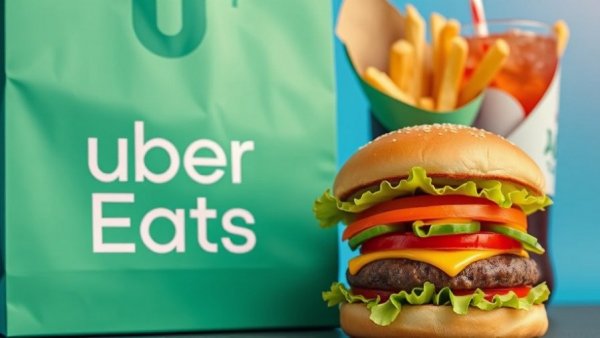
Amazon’s Strategic Shift: Goodbye Grubhub, Hello Uber Eats
In a significant strategic shift, Amazon has announced the end of its partnership with Grubhub, marking a new beginning with Uber Eats. This shift is not merely a change in alliances; it reflects broader trends in the food delivery market where companies are continuously vying for market share amidst rising competition. For Amazon Prime members, the new partnership means an attractive promotional offer: $20 off on orders over $25 on their first two Uber Eats purchases made through Amazon.com. A move that benefits both consumers and Amazon, it enhances the value proposition for Prime members who are already enjoying a range of services from the e-commerce giant.
Understanding the Promotion: A Deeper Dive into the Offer
The promotion presents a tremendous opportunity for Prime members, especially those who enjoy takeout. Offering $0 delivery fees is certainly enticing, yet consumers should remain vigilant of potential price inflation on menus and additional fees. Although ordering through Uber Eats can provide savings, it is essential for users to compare prices to avoid overpaying. The current landscape of food delivery features inflated costs—a common practice among many platforms. Therefore, checking menu prices is advisable before hitting 'order.' With the rise of delivery apps, price competitiveness can vary widely, and being an informed consumer is crucial for maximizing value.
The Perks of Uber Eats: Maximizing Your Order
Of particular note in this new deal is the eligibility for pickup, which adds a layer of flexibility for orders. As an example, executing a pickup order for two plates from Panda Express cost approximately $10—a remarkable value in today's inflationary environment. Such promotions not only make dining experiences more affordable but help consumers enjoy their meals without creating financial stress. For those with an Amazon Prime membership, pairing meals with the convenience of pickup potentially offers a streamlined, economical dining solution. Additionally, knowing that both Uber Eats and Amazon prioritize customer satisfaction may encourage users to explore new dining options without the burden of extra costs.
Grubhub’s Response: Staying Competitive in a Crowded Market
As Amazon transitions from Grubhub to Uber Eats, it raises the question of how Grubhub will respond to this shift. Reports indicate that Grubhub may offer retention promotions aiming to hold on to its users amid this competitive landscape. This is pertinent for consumers who are currently linked to Amazon and utilizing Grubhub services—logging into the Amazon-linked Grubhub+ account can reveal potential exclusive coupons. Companies often resort to retention strategies when faced with losing market share, and Grubhub’s efforts to incentivize its existing customer base will reflect just how intense the competition is in the food delivery market. The shift underscores the need for consumers to be aware of their options and make choices that not only suit their taste but also their budget.
The Bigger Picture: Trends and Implications
This alliance between Amazon and Uber Eats isn’t just a momentary trend; it speaks to a larger narrative about how food delivery services are evolving amidst consumer expectations. More than ever, convenience and affordability dominate consumer desires, and platforms that combine these elements will likely flourish. For instance, the growing demand for healthier, sustainable food options could prompt all delivery platforms to adapt their offerings. In addition, the increasing integration of technology into daily life means consumers will continue to lean towards platforms that offer them ease of access and transparency in their pricing strategies.
Future Predictive Insights: The Landscape of Food Delivery Going Forward
Looking ahead, the dynamics of the food delivery sector could be evolving rapidly. The competition between platforms will likely intensify as Amazon and Uber Eats seek to capitalize on their alliance. Over time, we may see further integrations between food services and e-commerce platforms. Expanding partnerships will also be likely as customer behavior continues to pivot towards online solutions for convenience and safety, especially in the post-pandemic world. Companies that leverage data analytics to anticipate consumer preferences will undoubtedly thrive. As consumer habits shift, those engaged in impactful partnerships may find themselves better positioned to harness changing trends.
Actionable Insights: Leveraging Promotions for Maximum Benefit
Consumers should take the time to explore these promotional opportunities fully. For those already investing in an Amazon Prime membership, utilizing the $20 off offer can stretch your household food budget considerably. Beyond price, considering the user experience—such as convenience, delivery speed, and ease of use—should factor into any decision-making around which platform to utilize. As offers like these emerge, they present savvy consumers an avenue not just for savings, but discretionary spending to enhance overall lifestyle satisfaction. For busy families or professionals, these savings could lead to more frequent family dinner nights or options to explore new cuisines without guilt.
Conclusion: Capitalizing on Opportunities for Savvy Consumers
This deal marks an essential juncture that reflects Amazon's commitment to adding value for its Prime members while reshaping the food delivery playing field. By staying aware of promotional deals and potential price alterations, consumers can become more engaged and adept shoppers. As business dynamics evolve, consumers should remain proactive in checking for the latest offers. By utilizing available promotions effectively, they can enjoy quality food and experiences without overspending. Therefore, it is advisable for consumers to regularly review and compare delivery services, ensuring they are making well-informed choices that align with their needs and budget.





Write A Comment