

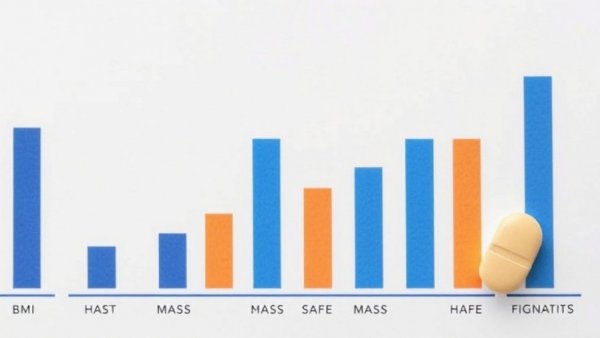
Navigating the Complex Landscape of Obesity Treatments
When it comes to tackling obesity, the decision on which drug to prescribe isn't solely based on a patient's body mass index (BMI) or medical complications. Clinicians are also confronted with a myriad of other factors, including the efficacy of previous weight-loss efforts, the high costs associated with treatment, and the availability of these medications—often leading to a complex decision-making process that can be overwhelming for patients and healthcare providers alike. In this evolving healthcare landscape, it's essential to understand how these elements intertwine to facilitate effective obesity treatment.
The Role of BMI and Medical History
BMI remains a crucial metric in determining obesity severity, which can help tailor obesity medications. A higher BMI usually correlates with more severe health risks, pushing clinicians to consider pharmacological options when dietary and exercise interventions have failed. However, BMI alone cannot capture the full picture; associated complications such as diabetes, high blood pressure, or sleep apnea also feed into the decision-making process. Understanding a patient’s complete health history allows doctors to make more nuanced choices regarding obesity treatments. This holistic approach helps in formulating a customized treatment strategy that goes beyond mere numbers.
Cost and Coverage: Barriers to Treatment
Despite the medical rationale behind prescribing certain obesity drugs, economic factors play a significant role. Many effective medications can be prohibitively expensive, making them inaccessible for many patients. This dichotomy raises a crucial question: How can effective treatment be made available to those who need it most? Patients often find themselves stuck between making sacrifices, both financially and health-wise, just to seek medication that may not even be covered by their insurance. According to recent studies, nearly half of the patients who need obesity medications do not initiate treatment due to cost concerns. This predicament highlights a vital issue in healthcare—the necessity for systemic changes that address not only the clinical but also the economic challenges facing patients.
Insights from Recent Research
A closer look at recent findings reveals that decisions made by healthcare providers tend to reflect a pattern of prioritizing medications that are both effective and have insurance coverage. Many practitioners often remain unaware of the newer prescription options, heightening the sense of urgency for drug manufacturers and healthcare systems to bridge the gap between cutting-edge treatments and patient access. Research indicates that improved access to information around medication efficacy and availability aligns nicely with better patient outcomes, yet the challenge remains. Additionally, continued education for healthcare providers regarding the latest developments in obesity treatment can empower them to guide their patients more effectively, ensuring they receive the best possible care.
Success Stories and Testimonials
Take Sarah, a 45-year-old woman who struggled with obesity for most of her life. After numerous attempts at dieting and exercise without success, Sarah's doctor finally prescribed an obesity medication. Despite her initial reservations about the cost, the change was transformative—she lost weight, increased her physical activity, and improved her overall quality of life. Her story represents countless others who experience similar journeys, illustrating the profound impact that effective treatment can have when it is accessible and affordable. Success stories like Sarah's serve as beacons of hope for those navigating their own weight loss journeys, emphasizing the importance of having the right tools and support.
Future Outlook and Opportunities
As healthcare continues to evolve, the growing awareness of obesity as a complex disease may lead to more comprehensive treatment approaches. Integrating BMI evaluations with financial assessments could become standard, promoting not only effective healthcare services but also sustainable models for drug affordability and coverage. With increasing advocacy for obesity as a public health issue, the pharmaceutical landscape may experience changes that favor more inclusive access to treatment options for patients. This may include initiatives focusing on subsidizing the costs of medications or expanding coverage criteria to ensure that all patients have the opportunity to benefit from clinically proven treatments.
Actionable Steps for Healthcare Providers
For clinicians navigating the obesity treatment landscape, staying informed about the latest research and funding opportunities can make a significant difference in patient care. It may be beneficial to develop strong communication channels with pharmaceutical representatives to ensure that the latest FDA-approved medications are being discussed within the context of individual patient needs. Educating patients about their options can empower them and encourage proactive engagement in their treatment plans. Furthermore, advocating for policies that promote affordable access to obesity medications could significantly reduce the barriers patients face, ensuring that crucial help is just as available as it is necessary.
As we move into a future that increasingly recognizes obesity as a multifaceted public health challenge, it is crucial for both healthcare providers and patients to advocate for more transparent pricing, wider coverage options, and comprehensive support systems that promote healthier lifestyles. Together, we can strive toward a healthcare model where treatment is not only effective but also equitable, supporting the well-being of all individuals affected by obesity.






Write A Comment