

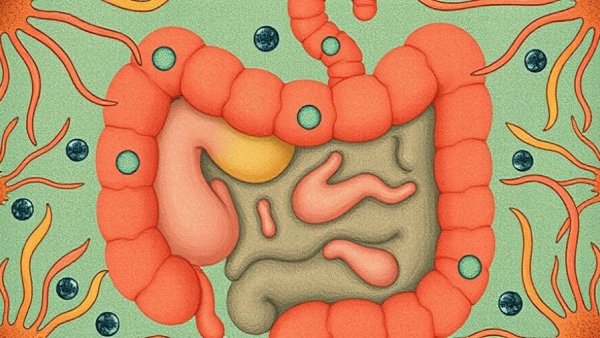
Understanding the Gut-Hormone Connection
The relationship between gut health and hormonal balance is becoming a hot topic in health discussions lately. Many are surprised to learn that the gut microbiome not only plays a crucial role in digestion and bowel health but also profoundly affects numerous body systems. As Dr. Michèle Webb, ND, points out, "Many women do not realize how closely gut health and hormonal health are connected." This article delves into the intricate ways our gut influences hormones, highlighting the importance of addressing gut health for optimal overall well-being.
How Gut Health Affects Hormonal Imbalances
The gut is home to trillions of microorganisms, including bacteria that can play a vital role in hormone metabolism. One crucial player in this system is the estrobolome—a collection of intestinal microbes that help regulate estrogen metabolism. When functioning correctly, these microbes ensure that estrogen is eliminated from the body effectively. However, if this process becomes disrupted, common issues like PMS, bloating, and mood changes can arise, impacting day-to-day quality of life.
Recent research published in the International Journal of Women’s Health points to significant differences in gut microbial composition between women experiencing PMS symptoms and those who do not. This finding is groundbreaking as it hints at the idea that hormonal issues are not isolated incidents but may indeed be influenced by gut health. Paying attention to the state of our gut could provide new insights into managing these distressing symptoms.
The Impact of Stress on the Gut-Hormone Loop
Another crucial aspect of the gut’s interplay with hormones is the role of stress. Modern life is bustling and filled with various stressors that can lead to chronic stress, significantly impacting bodily functions. Chronic stress can lead to dysbiosis, or an imbalance in the microbiome, which in turn can disrupt hormonal rhythms that are crucial for overall body function. Dr. Ania Graczyk, ND, states, "This connection is a two-way street." Stress affects the gut, making digestion challenging, while an imbalanced gut can affect how our body manages stress and hormones.
When the body's sympathetic nervous system is activated due to stress, it can cause a range of digestive issues, representing a ripple effect throughout hormone regulation. Understanding this interplay emphasizes the importance of managing stress through relaxation techniques or lifestyle changes aimed at enhancing gut health and hormonal balance. Techniques such as yoga, mindfulness, and proper nutrition, which provide both physical and mental benefits, can work wonders in this delicate balance.
Thyroid Health: A Crucial Player
Your thyroid gland's health is also intricately connected to gut function. Many nutrients essential for thyroid hormone production—like iodine, zinc, and selenium—are absorbed in the gut. A healthy microbiome is pivotal for this absorption. As many women experience autoimmune conditions impacting thyroid function, such as Hashimoto’s thyroiditis, the link between gut and thyroid health becomes even more apparent. Research has shown that those with thyroid issues often have altered gut microbiomes and increased bacterial toxins circulating in the body, further complicating their health landscape.
Conversely, low thyroid function can slow digestion, leading to persistent constipation and, consequently, further affecting gut health. Therefore, supporting thyroid health can serve as another pathway to improve overall gut function and, by extension, hormonal health, illustrating the interconnectedness of these bodily systems.
Practical Tips for Enhancing Gut and Hormonal Health
With the intricate connections established, it’s empowering to understand that we can take action toward enhancing our gut and hormonal health. Here are practical steps to consider, making your journey toward better health more attainable:
- Incorporate Probiotics: Eating foods rich in probiotics, like yogurt, kefir, sauerkraut, and kimchi, can help maintain a balanced gut microbiome. Consider including these foods in your daily diet to enhance your gut flora.
- Eat a Diverse Diet: A diverse range of foods supports a diverse microbiome. Think fruits, vegetables, nuts, seeds, and whole grains. Aim for a colorful plate to ensure you're getting a variety of nutrients.
- Manage Stress: Regular physical activity, meditation, and adequate sleep are critical in maintaining both gut health and hormonal balance. It’s important to create a daily routine that includes time for relaxation, play, and self-care.
- Reduce Sugar and Processed Foods: These can negatively impact gut health, leading to dysbiosis. Focus on whole foods to promote wellness and avoid the added sugars found in many processed items.
- Stay Hydrated: Drinking plenty of water not only aids digestion but also helps your body eliminate toxins and support healthy metabolic processes.
- Consult Healthcare Professionals: If you suspect an imbalance in your gut or hormonal health, seeking advice from a healthcare provider can guide you toward effective treatments and dietary adjustments tailored to your needs.
Conclusion: The Path Forward
Understanding the gut-hormone connection is not just fascinating—it is empowering. As we take steps to nurture our gut health, we also bolster our hormonal health, leading to a healthier, more balanced life. Whether through dietary adjustments, stress management, or consulting health professionals about gut health, every proactive effort counts. The journey to understanding our bodies is continuous.
By prioritizing gut health, we can improve overall hormonal wellness and enjoy a better quality of life. Taking simple, actionable steps today could pave the way for a healthier tomorrow. Empower yourself with knowledge and make choices that align with your wellness goals—you deserve it!






Write A Comment