

The Hidden Costs of Alcohol: What You Need to Know
When many people think about drinking, their minds often go straight to the immediate effects: the sense of relaxation, the social interactions, and perhaps even a fleeting mood boost. However, beyond that momentary pleasure lies a complex interaction between alcohol and our bodily functions. Alcohol, particularly in the form of ethanol, impacts brain chemistry, metabolism, and even hormonal regulation, presenting a multifaceted challenge for anyone considering their health choices. As a growing number of individuals opt for alcohol-free beverages, understanding the underlying effects of alcohol on our health is crucial for making informed decisions that support a healthy lifestyle.
Alcohol’s Impact on Brain Chemistry
During the consumption of alcohol, the brain experiences a surge in dopamine, a neurotransmitter associated with reward and pleasure. This rush can lead many to crave drinks, as the initial euphoric feelings are enticing. Although this may result in an initial feeling of euphoria or relaxation, the aftermath can lead to what many individuals know as "hangxiety"—a combination of hangover symptoms and anxiety, including irritability or restlessness, which can disrupt both mental health and daily functioning. Over time, habitual drinking can dull the brain's natural reward system, requiring increased consumption to achieve the same effects. A growing body of research, including a recent 2022 publication in Nature Communications, highlights alarming correlations between regular alcohol consumption and cognitive decline, suggesting that the brain's physical structure may be adversely affected as well. This reinforces the importance of moderation and awareness of drinking habits.
Hormonal Effects: The Ripple Effect
Even moderate alcohol intake can disrupt hormone levels in our bodies, leading to a cascade of health issues. Cortisol, often referred to as the stress hormone, escalates after drinking. Elevated cortisol levels may lead to symptoms of chronic stress, such as fatigue and weight gain, and can potentially contribute to premature aging as well. Furthermore, in women, increased estrogen levels associated with alcohol consumption may correlate with a heightened risk of breast cancer. Interestingly, alcohol consumption also disrupts the functioning of ghrelin and leptin—hormones key to regulating hunger and satiety—which can lead to overeating. This imbalance can complicate weight management and increase the risk of obesity-related issues, highlighting the link between drinking and overall health in ways that are not immediately obvious.
Gut Health: The Often-Overlooked Factor
Alcohol also leaves its mark on our gut health. Ethanol can disturb the delicate balance of our gut microbiome, diminishing beneficial bacteria while promoting inflammatory species. This imbalance, known as dysbiosis, can provoke various digestive issues, including bloating and irregularity. Moreover, it may contribute to a condition often referred to as “leaky gut,” where the gut barrier weakens, allowing toxins to enter the bloodstream, ultimately causing systemic inflammation. A healthy gut is vital for overall well-being, influencing mood and immune response. Understanding the connection between alcohol consumption and gut health is crucial for long-term wellness, especially considering the growing awareness of gut health's role in mental health and physical vitality.
Cardiovascular Concerns: Rethinking Alcohol
The conventional wisdom that moderate alcohol consumption benefits heart health is increasingly under scrutiny. A significant 2022 study involving over 371,000 subjects published in JAMA Network Open found that any amount of alcohol could elevate the risk of cardiovascular diseases, disputing the long-held belief that red wine, for instance, might be protective due to its antioxidant content. Regular alcohol consumption is also linked to raised blood pressure, which serves as a key risk factor for stroke and heart-related illnesses. This emerging perspective encourages individuals to rethink traditional narratives around drinking and heart health over a glass of wine. Such revelations prompt many to consider lifestyle adjustments that better align with their health goals.
Skin Health: More Than Meets the Eye
The effects of alcohol extend to the skin as well. Dehydration from drinking can lead to puffiness, redness, and dull-looking skin, presenting unwanted cosmetic concerns for many. Long-term alcohol use has been associated with accelerated collagen breakdown, which can result in premature aging and visible skin damage. Healthier choices become particularly important as younger generations become more aware of their skincare regimes. Furthermore, there is emerging evidence linking increased alcohol consumption with a higher risk of skin cancer. These findings reinforce the notion that alcohol has tangible effects on appearance and health that may dissuade individuals from reaching for that next drink. Understanding these effects may inspire alternative social habits that prioritize skin health.
Booze-Free Alternatives: A Path to Wellness
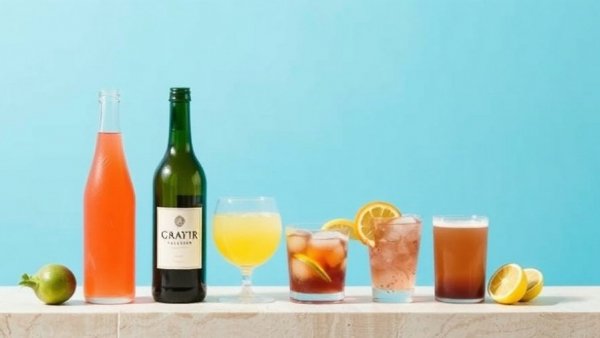
The shift towards alcohol-free alternatives has gained momentum as people seek to enjoy the social aspects of drinking without the physiological drawbacks. A burgeoning market for non-alcoholic beverages, including craft mocktails, alcohol-free spirits, and wines, signals a growing recognition of this trend. These options provide a satisfying ritual without compromising one’s health. By opting for non-alcoholic drinks, individuals can still savor delightful flavors and enjoy social connections without suffering from alcohol's adverse effects. This conscious choice not only helps in reducing alcohol-related health issues but may also enhance overall well-being, improve sleep, foster better digestion, and contribute to healthier hormonal balance.
Looking Ahead: A Healthier Future
As awareness of the negative impacts of alcohol continues to grow, society is beginning to embrace healthier lifestyles. Choices surrounding alcohol consumption are changing, and resources for alcohol-free options abound. From craft mocktails to non-alcoholic beers and wines, there are now various choices for those who want to socialize without the negative effects of alcohol. Making healthy choices today, whether through community events that highlight non-alcoholic beverages or personal choices at social gatherings, paves the way for a more vibrant and fulfilling life in the future. Everyone can play a part in promoting this cultural shift, whether by sharing mocktail recipes or encouraging friends to explore alcohol-free options.
In summary, understanding the effects of alcohol not only empowers individuals but inspires a collective cultural shift toward better health. By making conscious decisions today and choosing alcohol-free alternatives, we can advocate for a healthier lifestyle that values our mind, body, and spirit, ultimately creating a brighter outlook for ourselves and future generations.






Write A Comment