

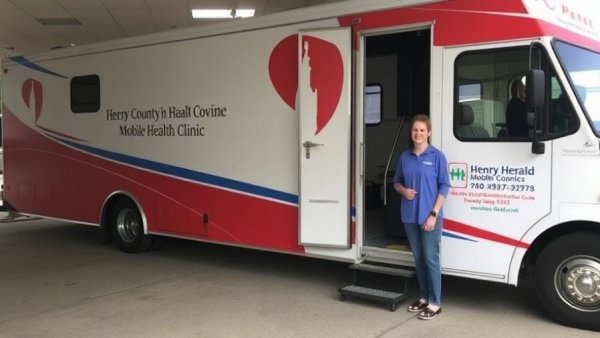
Henry County’s Mobile Health Clinic Receives Esteemed Recognition
In a significant achievement for community health initiatives, Henry County’s Mobile Health Clinic has been awarded recognition by the Appalachian Regional Commission (ARC). This accolade highlights the clinic’s ongoing commitment to making health care accessible for all residents, especially those in underserved areas. The recognition not only celebrates the clinic's dedication but also sheds light on the critical need for such services in providing equitable health opportunities to every community member.
Why This Award Matters: A Closer Look
The recognition from the ARC is not merely a badge of honor; it symbolizes Henry County’s dedication to improving public health through innovative methods. The Mobile Health Clinic provides essential services such as screenings, immunizations, and preventive care right to the doorsteps of participants, breaking down barriers that often exist in accessing healthcare. During the COVID-19 pandemic, the clinic proved invaluable, ensuring that vital health services continued uninterrupted. By adapting its services to meet the needs of the community during a challenging time, the clinic demonstrated resilience and flexibility.
Historical Context and Background of Mobile Health Clinics
Mobile health clinics have gained traction as a solution to healthcare disparities, especially in rural and underserved urban areas. Established in the late 20th century, these clinics emerged in response to a growing need for accessible healthcare amid rising costs and geographic obstacles. They were designed to reach individuals who might otherwise fall through the cracks of the conventional healthcare system. By providing flexible, on-the-go services, they have transformed how healthcare is delivered, reducing the distance and financial burdens associated with regular medical visits.
The Unique Value of Mobile Health Clinics
Mobile clinics offer unique benefits such as increased access to healthcare services, particularly for the elderly, low-income families, and those without reliable transportation. Their effectiveness lies in their ability to bring healthcare directly to people, thus improving health outcomes. For example, studies have shown that regular access to health screenings significantly reduces emergency room visits, ultimately saving costs for both patients and the healthcare system. Henry County's program has demonstrated how localized healthcare can reduce costs while improving overall community health.
Furthermore, these clinics often provide services that are culturally competent and tailored to the specific needs of the communities they serve. This localized approach is essential in addressing public health issues in ways that are respectful and effective. By engaging with residents and incorporating their feedback, the clinic ensures that services meet the community's expectations and preferences.
Future Predictions: The Growth of Mobile Health Clinics
As more communities face challenges with healthcare accessibility, the model of mobile health clinics is expected to expand. Data from the ARC suggests that regions with successful mobile clinic programs report fewer healthcare delays and improved preventative care uptake. Innovations in technology are driving this growth; with advancements in telehealth capabilities, mobile clinics will likely integrate virtual consultations. This development allows for healthcare professionals to provide guidance and expertise beyond the physical boundaries of the clinic.
As healthcare struggles evolve, mobile clinics are adaptable enough to pivot in their services to meet emerging health threats, such as mental health crises or chronic disease management. Looking forward, these clinics could play an even more significant role as first responders in public health emergencies.
A Community Effort: Engaging Local Support
The success of the Mobile Health Clinic is also due to community involvement. Local businesses, volunteers, and partnerships with health organizations have created a supportive ecosystem that enhances the clinic's reach and effectiveness. Engaging residents through outreach and education has strengthened community ties, demonstrating that collaborative efforts can lead to significant health improvements.
Moreover, the involvement of local schools and organizations can amplify the clinic's outreach programs, ensuring that health education and preventive care are integrated into the community's daily fabric. This grassroots approach empowers residents not just to seek healthcare but to prioritize it in their lifestyles, creating a culture of health awareness.
Conversations, Actions, and the Path Forward
This recognition invites the Henry County community to reflect on what they can do to support health initiatives. Residents are encouraged to participate in health programs and advocate for continued funding and resources for the Mobile Health Clinic. This is particularly important as community demand for services continues to grow. It is vital that as the clinic continues to grow, the community plays an active role in shaping its future.
Investment in health infrastructure, particularly in underserved areas, yields dividends in quality of life and economic productivity. The Mobile Health Clinic represents an ongoing commitment to public health that must be sustained and expanded to meet the growing needs of the community.
In exploring the path forward, it’s paramount that residents view their health as a shared responsibility. Community cohesion paired with continued advocacy for healthcare access can lead to lasting change. As individuals become more aware of the benefits of preventive health measures and early interventions, it fosters a proactive mindset, encouraging those who have previously felt disenfranchised to engage in their health journeys.
As we celebrate this recognition, let it serve not only as a reminder of past accomplishments but as a rallying point for future efforts towards equitable health access for all in Henry County.





Write A Comment