

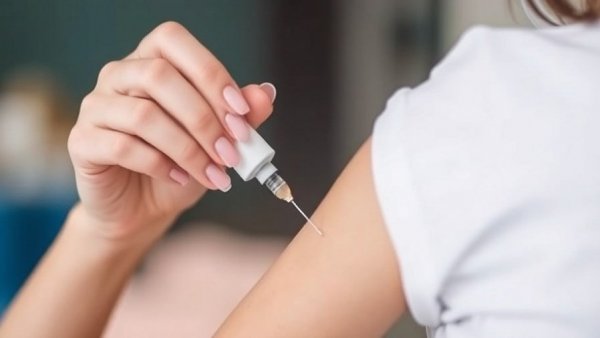
Introduction: A New Approach to Infant Vaccination
Infant vaccinations are a critical aspect of public health, ensuring children are protected from preventable diseases that can lead to serious health complications. Vaccination, while essential, often comes with the discomfort associated with needle injections. Many parents worry about the pain their little ones experience during these necessary procedures. Fortunately, a recent meta-analysis suggests that a simple plastic device could ease this pain, making the vaccination experience less distressing for both infants and their caregivers. As parents look for ways to minimize stress during these crucial moments, this device presents a promising option.
How the Device Works to Ease Pain
This innovative device is designed to be applied to the skin just before the injection is administered. By utilizing a method grounded in non-invasive techniques, the device may distract or desensitize nerve endings in the area, effectively reducing the sensation of pain. Its simplicity is a game changer; requiring no complex setup, it can be easily integrated into routine clinical practices. This easy-to-use approach allows healthcare providers to implement the device efficiently, ensuring that the focus remains on the child's comfort and wellbeing during vaccinations.
The Science Behind Pain Reduction
Research indicates that pain management in infants is crucial not only for their immediate comfort but also for their long-term acceptance of medical procedures. According to the meta-analysis, infants showed significantly lower pain responses when the device was used compared to traditional methods where no such device was employed. This finding aligns with previous studies that emphasize the importance of minimizing discomfort during vaccinations. Studies suggest that the fear of pain can lead to anxiety in children that persists into later life, making it vital to address pain during the early stages of medical treatment.
Parent Experience: A Lifesaver in the Pediatric Office
Many parents shared their sentiments around vaccination experiences, emphasizing the emotional impact of watching their children undergo medical procedures. Jane, a mother of two, recalls her first son crying uncontrollably during his vaccinations. “It broke my heart to see him in pain. If something like this device had been available back then, it would have been a lifesaver,” she mentions. Other parents echo similar sentiments, expressing their hope that these innovations in pain relief could lead to less anxiety surrounding vaccinations and foster a more positive atmosphere in pediatric clinics. The potential for improved experiences can not only ease the emotional burden on children but also provide relief to parents who often feel helpless during such moments.
Broader Implications for Healthcare Practices
The introduction of such a simple device speaks volumes about the direction healthcare is heading towards—where pain management and patient comfort are prioritized over past practices that may not have considered the psychological effects of pain on young patients. This change could potentially lead to a shift in practices, encouraging healthcare providers to adopt similar devices for various procedures that cause pain to infants and even older children. Comparative studies from other countries that have implemented similar strategies have shown improvements in vaccination acceptance rates, which is critical in maintaining public health standards. Additionally, successful pain management can contribute to better overall child health outcomes post-vaccination, as less pain during the procedure can lead to improved cooperation in subsequent healthcare interactions.
Future Predictions: What Comes Next?
As more studies support the efficacy of this device, its adoption might become widespread. Experts suggest that this could lead to further research into the psychology of pain management in children, emphasizing the importance of non-chemical interventions. This aligns with the growing trend of focusing on holistic approaches in healthcare, where physical health is intertwined with emotional well-being. As pediatric care evolves, the focus on comforting techniques and strategies like this innovative device could help ease the vaccination process not only in infants but also in children of all ages. Furthermore, the integration of such devices may inspire a new generation of medical tools aimed at minimizing discomfort in various healthcare settings.
Conclusion: Empowering Parents with Knowledge
The potential of this simple plastic device represents not only a breakthrough in pain management but also an empowering moment for parents who wish to minimize their child’s discomfort during medical procedures. As innovations like these become more mainstream, it is essential for parents to stay informed about the options available to them. This collective knowledge will enable them to advocate for their children's health proactively, seeking out the most effective care available.
In conclusion, as we move forward, continued discussions around effective pain management strategies will be vital in improving pediatric healthcare overall. Innovations aimed at reducing discomfort should be welcomed and explored, and their efficacy must be communicated to families. Therefore, please stay engaged with the latest advancements in research and practices. Don't hesitate to reach out to your healthcare provider about new options for ensuring a smoother vaccination experience for your child. Together, we can foster an environment where vaccinations are seen less as a source of worry, and more as a step towards a healthier future.





Write A Comment