
Unlocking New Potentials: The Dawn of Nanorobotics in Cancer Treatment
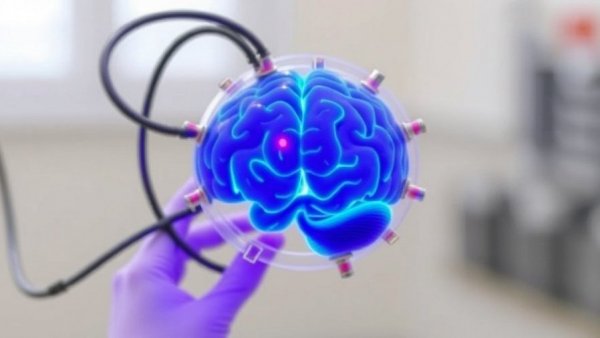
In an exciting breakthrough, recent studies involving biodegradable nanorobots have unearthed promising possibilities for delivering chemotherapy directly to brain tumors. Researchers have discovered that these innovative robotic systems can cross the notoriously protective blood-brain barrier, a significant hurdle that has limited effective treatments for brain cancer. This advancement could be a game-changer in brain cancer therapies, where traditional approaches often falter.
Traditionally, chemotherapy has struggled to penetrate this barrier, often leading to less effective treatment outcomes for patients. Existing treatments commonly result in debilitating side effects due to systemic exposure, lowering patients' quality of life. However, findings from a new study involving mice indicate that these specially designed "BrainBots" can significantly enhance the delivery of chemotherapy drugs to the affected areas, outpacing standard treatment methods. As science continues to evolve, this could represent a pivotal moment in the battle against one of the most challenging forms of cancer.
Understanding the Blood-Brain Barrier
The blood-brain barrier (BBB) is a selective permeability barrier that shields the brain from harmful substances while allowing essential nutrients to pass. It plays a crucial role in maintaining brain homeostasis, yet this protective feature poses a major obstacle in treating brain tumors, as large molecules, including many chemotherapeutic agents, struggle to breach it. The BBB creates a situation in which many patients only receive suboptimal dosages, resulting in exacerbated side effects and a lower chance of treatment success. The development of nanorobots presents a revolutionary solution to this conundrum.
For patients and families, the complexity of navigating brain cancer treatments is emotionally taxing. Understanding how the BBB functions can help patients grasp why some medications may not work and why innovative alternatives, like BrainBots, are garnering significant attention in the medical community.
Why Biodegradable Nanorobots?
Biodegradable nanorobots hold several compelling advantages. First, they are designed to dissolve in the body safely, leaving no harmful residues behind—making them a sustainable and patient-friendly option. Additionally, they can be engineered to release controlled amounts of chemotherapy directly at the tumor site, ensuring that the maximum impact is delivered precisely where it’s needed most. This targeted approach is a vital advancement over traditional chemotherapy methods, which often scatter treatment throughout the body and affect healthy tissues as well.
This innovative method not only enhances the efficacy of cancer treatment but also minimizes systemic side effects, which is a significant concern for many patients undergoing chemotherapy. By reducing the negative impact of traditional treatments, nanorobots could significantly improve the quality of life for cancer patients. Patients often report symptoms such as nausea, fatigue, and weakness—side effects that can deeply affect not only their health but their daily lives and relationships.
Future Predictions: A Personalized Approach to Cancer Treatment
As research progresses, the potential for customizing these nanorobots is an exciting prospect. With future advancements, scientists envision scenarios where nanorobots may be equipped to deliver a tailored cocktail of treatments based on a patient's unique tumor characteristics. This personalized approach could redefine cancer care, allowing healthcare providers to offer more effective and tailored therapeutic strategies. Such personalization could lead to not only better health outcomes but an overall more hopeful experience for patients as they journey through their treatments.
Imagine a scenario where a tailored medication plan is crafted not just on generic characteristics of the cancer but also on the individual patient's unique genetic makeup. Personalized treatment protocols represent the future of responsive healthcare, making patients active participants in their treatment journeys.
Real-World Implications and Current Issues
The implications of this technology extend beyond medical boundaries—there’s an environmental angle that resonates with today’s eco-conscious consumers. As communities increasingly demand green solutions in healthcare, the biodegradable nature of these nanorobots aligns well with sustainable practices. This eco-friendly aspect not only appeals to environmentally minded individuals but also serves as a reminder that even in discussions about cutting-edge technologies, we can prioritize our planet's health.
Moreover, with the ongoing challenges posed by cancer worldwide, advancements like these could shift public perception and treatment paradigms, making innovative therapies more accessible and less intimidating. The research surrounding BrainBots, specifically, highlights a forward-thinking approach that combines technological innovation with patient-centered care.
Emotional and Human Interest Perspectives
For patients battling cancer—and their families—the news of nanorobots offers a glimpse of hope. Consider the mother of two who, after a brain cancer diagnosis, fears traditional chemotherapy options may limit her time with her children. She dreams of milestones she wants to share as her kids grow up but worries about the severe side effects of conventional treatments. New technologies like BrainBots could provide not just a better prognosis but also the promise of brighter days ahead. The human stories intertwined within these scientific developments remind us of the heart behind the research.
Tales of overcoming difficulties and gaining strength from personal journeys facilitate a deeper connection among readers. This narrative-driven approach gives context to the statistical trends, turning data into stories of bravery and perseverance.
Call to Action: Join the Conversation
If you’re intrigued by the possibilities of nanorobots in cancer treatment, now is the time to advocate for continued research and development in this area. Engage with your local health community, support cancer research initiatives, and share this remarkable journey towards innovative healthcare. Participation can range from online discussions to community events, empowering everyone to be part of a collective effort. The future of medicine depends on collective awareness and action!
By encouraging your family and friends to learn more about these advancements and their implications, you not only foster a supportive dialogue but contribute to a broader understanding of crucial health topics. Together, we can pave the path toward the future of effective and compassionate cancer treatment.




Write A Comment