

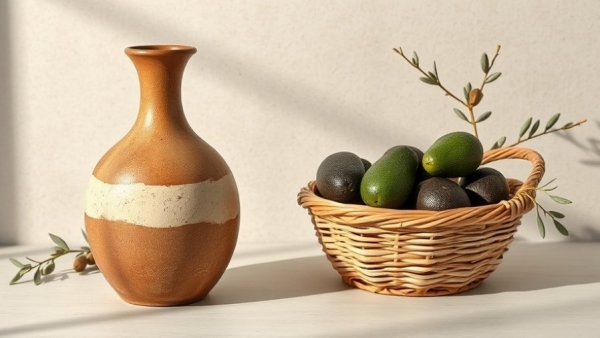
Discovering the Beauty of Imperfection in Our Lives
In a world that glorifies perfection, embracing imperfections may seem radical. Yet, that's the essence of wabi-sabi, a Japanese philosophy that encourages us to discover beauty in life's mundane details. With polished social media feeds and curated interiors setting unrealistic standards, this ancient practice invites us to let go of unattainable ideals and appreciate the charm of the imperfect. It serves as a gentle reminder that perfection is not a prerequisite for lasting joy, especially in our homes and personal spaces.
The Roots of Wabi-Sabi: Understanding Its Significance
Wabi-sabi has deep ties to Zen Buddhism and the Japanese tea ceremony dating back to the 15th century, where simplicity and naturalness were celebrated. Zen emphasizes mindfulness and appreciation of everyday life, which lends itself beautifully to the elements of wabi-sabi. Julie Pointer Adams, author of Wabi-Sabi Welcome, describes it as more than a design aesthetic; it is about nurturing a deeper awareness of our environment, finding joy in simplicity, and recognizing the beauty of age, decay, and the transient nature of life. This can lead to a significant transformation in how we perceive and engage with our daily surroundings.
What Do Wabi and Sabi Mean?
The two core concepts of wabi-sabi, ‘wabi’ and ‘sabi’, have distinct histories that highlight the philosophy's depth. Wabi initially stemmed from a sentiment of loneliness and simplicity, suggesting a humble acceptance of life’s conditions. Over time, it evolved to emphasize a rustic and accessible beauty found in simplicity—an invitation to find satisfaction in what already exists around us. On the other hand, sabi speaks to the allure of age and wear—alluding to the gracefulness of items weathered by time. Together, they represent a holistic way of appreciating life, promoting a mindset that inspires us to lead a more meaningful existence.
Wabi-Sabi in Modern Home Design
The current trend often misrepresents wabi-sabi, reducing it to minimalistic rooms devoid of warmth. Authentic wabi-sabi, however, invites homeowners to dwell in spaces that reflect real life—those that celebrate the worn-out chair, the handmade mug, or even the kitchen countertop that tells a story. When we adopt this approach, our environment transforms into a tapestry of memories and experiences, fostering a more profound connection to each item around us. This personal connection to our belongings creates a unique atmosphere that reflects our journey through life.
Reconnecting with Nature and Ourselves
Adopting the principles of wabi-sabi can profoundly affect our well-being. By shifting focus from external expectations of beauty to internal appreciation, we cultivate mindfulness and gratitude. Engaging in sustainable living practices—such as reusing furniture or valuing handcrafted goods—aligns with wabi-sabi values and enhances our connection with nature. Furthermore, it promotes a lifestyle that nurtures relationships and community, resonating well with eco-conscious consumers eager to invest in sustainable options. By choosing items that serve a purpose rather than simply acting as decor, we build spaces that are functional and nurturing.
Practical Tips for Embracing Wabi-Sabi in Everyday Life
Implementing wabi-sabi in your home doesn’t require a complete overhaul. Start by celebrating the practical and functional items that spark joy in your life. Only keep possessions that resonate with you personally—every chipped mug or faded photograph can tell a story worth cherishing. Consider sourcing local artists’ work or handmade objects that carry a sense of history and craftsmanship. Try to prioritize comfort and authenticity over trends, encouraging a lifestyle that feels genuine to you. This mindful curation not only aligns with wabi-sabi principles but also promotes a deeper relationship with your environment.
Common Misconceptions About Wabi-Sabi
A common misunderstanding is that wabi-sabi equates to clutter or neglect. Instead, it embodies intentionality—choosing to keep what brings joy and letting go of what doesn’t. It invites us to appreciate the beauty in decay and the wisdom found in wear and tear. Choosing imperfections opens doors to engaging with life more fully. By actively choosing what we keep and what we let go of, we celebrate a conscious lifestyle that aligns with our personal values, making our homes more than just places to live, but reflections of ourselves.
Inspiration Through Wabi-Sabi
Wabi-sabi encourages us to look for beauty where we least expect it. Inspired by this philosophy, many artists create work that embraces transience. The Japanese potter Shoji Hamada beautifully stated, “It is not a simple matter of putting together the parts that make up an idea; it leads to a greater awareness of beauty in life.” These principles can offer inspiration not just in home decor, but in how we view our life’s journey, suggesting that even our hardships can yield beauty and growth. Embracing this sentiment can inspire us to lead more fulfilling, creative lives filled with appreciation.
Wabi-Sabi as a Path to Mindfulness
Ultimately, wabi-sabi teaches us that beauty is not just about aesthetics; it also involves experiencing life’s fleeting moments with gratitude. This approach encourages mindfulness, helping us stay present and attentive to the world around us. By integrating this philosophy into our daily lives, we foster a deeper appreciation for what we have and the impermanence of life itself. As we recognize the beauty in the everyday and the ordinary, we find contentment in simplicity, resilience in challenges, and purpose in our existence.
By embracing wabi-sabi, we learn to appreciate the flow of life, full of ups and downs, realizing that there is beauty in impermanence. Our homes can mirror this truth, fostering an environment that is not just about aesthetics but about living fully and mindfully. So, as you journey through your day, take time to notice and treasure the small details that often go unnoticed. You might find that these unassuming moments are where real beauty resides.






Write A Comment