

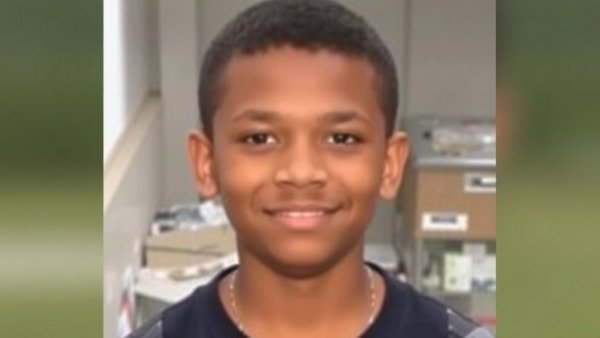
Tragic Encounter: A 16-Year-Old's Life Cut Short
The recent shooting of a 16-year-old boy by a Henry County police officer has raised serious concerns about youth safety and police conduct. Reports indicate that the teenager, while suspected of vehicle theft, was shot during an encounter with law enforcement. Witnesses and community members express disbelief and sorrow over the loss, emphasizing the need for accountability in the face of such tragedies. This incident has stirred emotions across the country, highlighting an ongoing debate over policing methods and community interactions.
Historical Context: An Ongoing Issue
This incident is not isolated; it reflects a broader, troubling trend of police-involved shootings across America. According to statistics from the Mapping Police Violence project, young individuals, particularly from marginalized communities, often find themselves at the crossroads of these violent encounters. Nationwide, 2021 saw significant numbers of fatalities among young people during police interactions, as many of these incidents stem from misunderstandings and systemic issues. The urgency for reform and community dialogue could not be more evident, as these tragedies repeat themselves with alarming regularity.
Emotional Impact on the Community
The grieving community is struggling to process the events. Local leaders and activists have come forward, addressing the emotional scars left behind when youth are killed by those who are sworn to protect them. The pain resonates deeply, affecting not only friends and family but entire neighborhoods. "This is not just about the boy; this is about our future and how we view safety and justice," stated a community leader in a recent press conference. As protests and vigils begin to emerge, the community seeks solace, support, and most importantly, answers regarding the circumstances that led to this heart-wrenching event.
Cultural Repercussions: A Call for Action
The loss of a young life has triggered discussions around cultural perceptions of police and the inherent biases within the justice system. Many community members are calling for reforms that address these issues openly. Parents, worried about the safety of their children, are demanding changes that will prioritize youth safety and prevent such incidents in the future. Local organizations are mobilizing efforts to create educational programs that focus on conflict resolution, emphasizing peaceful interactions between law enforcement and youth. Through these initiatives, the community aims to foster hope and rekindle trust.
Counterarguments and Police Perspective
While many are calling for reform, police advocates argue that officers often face split-second decisions that can determine life or death. In stressful situations, the pressure to act can result in tragic mistakes. This perspective acknowledges the dangers faced by officers while addressing community concerns. The ensuing discussions surrounding necessary training for officers in de-escalation techniques and the appropriate use of force, particularly when dealing with minors, have become paramount. Engaging in dialogue can lead to meaningful changes in training practices that may ultimately save lives.
Community Engagement: Breaching the Divide
The relationship between law enforcement and communities has historically been fraught with mistrust, particularly in neighborhoods with high instances of police encounters. However, active engagement can help bridge this gap. While citizens push for justice in this specific case, they can channel their grief into proactive steps toward reform. Citizens can participate in local forums to voice concerns and advocate for community-police programs that encourage greater transparency and dialogue.
Future Predictions: Trends in Police Reform
In the aftermath of high-profile incidents like this one, states and municipalities are grappling with reforms aimed at increasing transparency and accountability. Discussions about legislation mandating body cameras and independent investigations into police shootings have gained momentum. Experts predict that these measures could lead to systemic changes in how police interact with youth, potentially reducing such tragic occurrences in the future. The outcome of such reforms may reshape the narrative around law enforcement, focusing on protecting communities rather than instilling fear.
Decisions You Can Make: Supporting Change
Citizens play a vital role in advocacy. Engaging with local policymakers, attending community meetings, and voicing concerns can help bridge the gap between law enforcement and the communities they serve. Individuals are encouraged to support initiatives that advocate for peaceful interactions and educational programs aimed at fostering better relationships. Becoming informed about local laws, participating in community activities, and collaborating with advocacy groups can amplify voices that call for justice and reform.
Looking Ahead: The Role of the Community in Healing
As this story continues to unfold, it is crucial for the public to remain engaged and informed about the implications of this incident. Take a moment to reflect on the importance of youth safety and the need for comprehensive reform in police practices. The collective effort of community members, activists, and police can pave the way for a brighter future where safety and justice coexist harmoniously. It is only through collaboration and understanding that communities can start to heal from the trauma of lost lives and transform into environments where all citizens feel secure and respected.





Write A Comment