

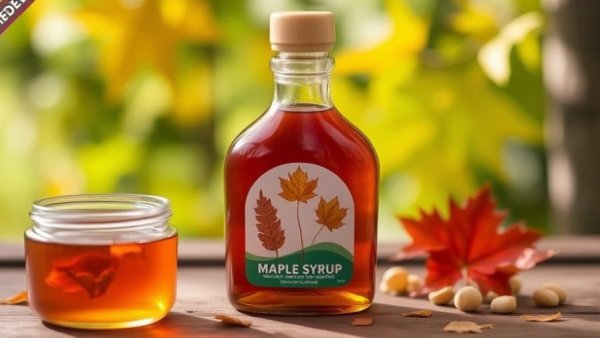
Understanding the Sweet History of Maple Syrup
Maple syrup is more than just a tasty topping for pancakes; it embodies centuries of tradition that dates back to the Indigenous Peoples of Canada. Around areas now known as Quebec, Ontario, New Brunswick, and Nova Scotia, Indigenous communities discovered the sweet nectar hidden within maple trees, harvesting it with methods that respected the environment. This deep-rooted practice established a cultural legacy that European settlers, upon their arrival in the 1600s, would come to embrace and build upon.
How the Art of Syrup Making Has Evolved
Over generations, the methods of harvesting maple sap have transformed yet remained grounded in tradition. Today, while many small producers cling to the classic techniques using spouts and buckets, larger producers have modernized their operations with sophisticated tubing systems that connect trees to collection tanks. Ray Bonenberg, a seasoned sugar maker in Ontario, describes the boiling process through an evaporator that draws out the sweetness from maple sap, a process still steeped in simplicity, just as it was centuries ago. It’s fascinating to see how technology enhances these age-old traditions without overshadowing them, allowing producers to harvest more efficiently while still valuing the time-honored practices.
Health Benefits of Maple Syrup
Beyond its delicious flavor, maple syrup is garnering attention for its potential health benefits. Recent studies reveal that it possesses prebiotic-like properties that may support gut health—demonstrating that this beloved syrup can contribute positively to our well-being, beyond just satisfying our sweet cravings. Also rich in antioxidants, maple syrup can help combat oxidative stress, thereby promoting overall health. This makes it not only a delightful treat but also a charming way to nurture your body.
The Climate Crisis Threatening Maple Syrup Production
Despite its rich heritage, Canada’s maple syrup production faces a perilous challenge from the swiftly changing climate. Producing more than 75% of the world’s maple syrup, the Canadian industry finds itself grappling with the harsh realities of rising temperatures and disrupted weather patterns. Research indicates that warmer winters hinder the crucial freeze-thaw cycles that sap production relies upon, causing sap seasons to shift and contracting yields. The delicate balance of nature that has allowed these trees to flourish is increasingly at risk.
According to Climate Data Canada, these changes threaten the stability of maple syrup production. Previously dependable patterns now exhibit increasing unpredictability—wreaking havoc on both the ecosystem and the income of syrup producers. As sugar maker Bonenberg recounts, the observable changes over the past five decades reflect a dire reality: "Sugaring now starts earlier and ends sooner than it did 50 years ago." The climate crisis is rippling through generations, impacting everything from tree growth to the battle against invasive species. It poses a multifaceted challenge that needs to be understood and addressed comprehensively.
Engaging in Climate Action
It’s not enough to simply acknowledge the effects of climate change; action is necessary to preserve this storied tradition. Sustainable practices, such as eco-friendly tree management and diversified farming techniques, are essential steps that producers can adopt to safeguard their harvests. Local communities can also play a part by supporting producers who embrace sustainable strategies that prioritize both the environment and the quality of their products, ultimately ensuring that future generations can enjoy maple syrup. Whether it’s purchasing syrup from local markets or participating in sustainability initiatives, every little effort counts.
Community Resilience: Navigating Challenges Together
Facing these challenges requires not only individual efforts but also a collective response. Communities that advocate for sustainable maple syrup production can implement educational initiatives, such as workshops on tree care and early detection of invasive species. Additionally, establishing local networks for shared resources can strengthen resilience among producers, enabling them to better withstand climate-related challenges. Working together can foster a sense of community that not only supports local economies but also raises awareness about the environmental impacts of our food systems.
A Vision for the Future of Maple Syrup
The journey of maple syrup—from trees to tables—represents more than just a sweet treat; it encapsulates cultural heritage, health benefits, and ecological sustainability. It is imperative that as stewards of our environment, we work together to protect this valuable resource from the adverse effects of climate change. By influencing policy, promoting sustainability, and supporting local producers, we can ensure that this rich tradition thrives for generations to come.
As you enjoy the golden sweetness of maple syrup, consider the journey it undertook to reach your plate. Knowing its backstory enhances our appreciation and understanding of the importance of protecting this integrated ecosystem. Sharing this knowledge with friends and family can further raise awareness about the interconnectedness of what we consume and the health of our planet.
Engage with Maple Producers: Learn how you can support maple syrup makers in your local area. From buying local to participating in community events, your involvement can make an impact. Explore local sugar bushes and attend maple festivals to deepen your connection to this beloved tradition.






Write A Comment