
Understanding HiQSolar’s TrueString Mini Inverters
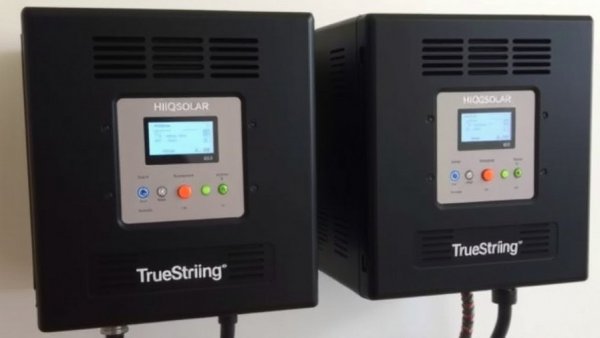
As solar technology evolves, the performance and reliability of products like HiQSolar's TrueString mini inverters are crucial to the industry’s growth. These inverters, which convert DC power generated by solar panels into AC power for use in homes and businesses, have garnered varying feedback from users. Many laud their innovative form factor and design, but others voice significant concerns regarding reliability despite their aesthetic appeal.
Widespread Reliability Issues: User Experiences
One user, who has installed several of these Gen2 208V mini inverters, shared their experience of encountering a staggering 32 failures over 11 years of use. Such high failure rates raise doubts about the long-term viability of these inverters, especially for enterprises relying on them for profitability. The user highlights that out of an original setup of seven units, they have now reduced their number to five—one of which is currently non-functional, illustrating the operational challenges faced. Interestingly, the user adapted their usage by increasing the DC to AC stacking ratio to minimize the operational risk, which emphasizes the ingenuity often required in dealing with modern tech's shortcomings.
Why Do Failures Occur?
The complaints centering around the TrueString mini inverters often relate to both technical failures and a lack of proactive customer support from the manufacturer. Technical failures can stem from various issues, including overheating, electronic component malfunctions, and inadequate power handling capabilities. When products fail, users are not just losing energy efficiency; they are also incurring additional replacement costs that can accumulate rapidly over time. These expenses can deter potential investors in solar technology from committing to long-term installations.
For business owners aiming for sustainability and cost savings, identifying a trustworthy inverter brand is essential. The costs associated with replacing failed inverters include direct financial impacts, such as purchasing and installation expenses, and indirect costs, which encompass lost energy generation opportunities during downtime. Concerns regarding warranty coverage further compound frustrations for users grappling with faulty units.
Options for Improvement in Solar Inverter Technology
Despite the challenges faced with HiQSolar inverters, the landscape of solar technology is rapidly changing. New advancements are being made, including enhanced inverter designs with improved efficiency, lifespan, and user-friendly interfaces. Technology such as micro-inverters and string inverters has grown more sophisticated, providing alternatives that can mitigate some of the reliability issues that have plagued older models like the TrueString. Emerging brands and retrofit technologies also present opportunities for past customers to consider alternatives that could better fit their needs.
Moreover, advancements in materials and safety technology have led to improved heat dissipation and failure prevention techniques, which are paramount for ensuring longevity and peak performance under various conditions. An awareness of these improvements positions consumers to choose newer models that can offer both technological benefits and dependable service.
Exploring Alternative Inverter Solutions
In light of ongoing problems with TrueString mini inverters, potential buyers should also research different solutions before making a purchase. High-efficiency models from competitors that prioritize durability and customer support can often provide peace of mind. Models produced by brands like Enphase and SolarEdge, for instance, offer robust performance metrics and superior warranty options to tackle reliability issues head-on.
Particular models accommodate various configurations like single-phase setups while ensuring comprehensive support services. Additionally, consider looking into brands that offer special features like modular designs or energy storage integration for added flexibility. Battery integration can benefit homeowners wanting to optimize energy usage during peak demand times and maximize solar energy utilization.
Future Trends: What to Expect
As renewable energy continues to take center stage in discussions about sustainability and cost efficiency, future innovations in both inverter technology and solar energy setups show considerable promise. Trends indicate a movement toward better monitoring capabilities, improved safety features, and adaptive designs that cater to different roofing styles and energy requirements. These developments reflect the industry's commitment to addressing past shortcomings and enhancing user experience.
Exciting improvements, such as cloud-based monitoring technologies, have emerged, which allow users to track their energy generation in real-time and receive alerts about potential issues. Such features not only promote proactive maintenance but also contribute to better energy management, empowering homeowners to make informed decisions based on their solar production and usage patterns.
Your Feedback Matters: Share Your Experiences
If you’ve had experiences with the HiQSolar TrueString mini inverters or similar products, we encourage you to share your stories. Collective insights can create a broader understanding of consumer satisfaction and frustration, allowing the industry to evolve in response to user needs. As we approach an era increasingly focused on renewable energy solutions, every voice contributes to the discourse surrounding effective solar technology. Engaging in forums or community discussions can play a significant role in steering manufacturers toward more reliable products and better customer service practices.
In conclusion, while the aesthetic and operational qualities of HiQSolar's TrueString mini inverters have their advocates, users’ experiences regarding reliability cannot be overlooked. The conversation around these products serves as a vital reminder to manufacturers about the importance of quality control and of the necessity for informed consumer choice in the renewable energy landscape. As the technology continues to evolve, so too will the expectations and demands from users, making it imperative that solar solutions keep pace with the aspirations of the market.



Write A Comment