

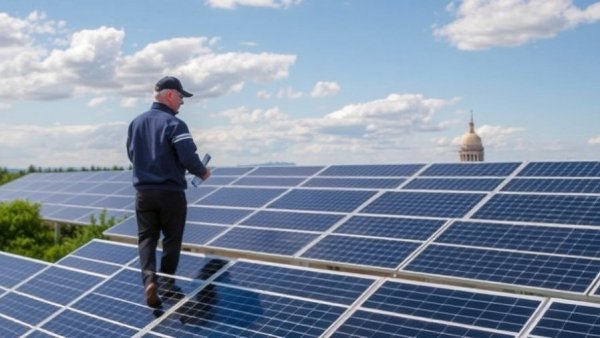
Understanding the Solar Landscape: A Shift Towards Positivity
The solar energy market is on the cusp of a significant transformation. As the political climate shifts, there is an increasing optimism about renewables, particularly solar energy. The recent discussions surrounding the Investment Tax Credit (ITC) are promising for homeowners and business owners alike who are increasingly inclined toward solar solutions for their energy needs. The potential revival of the ITC has the capacity to reinvigorate interest in solar energy across the country, making it a timely subject of discussion.
The Investment Tax Credit (ITC): What You Need to Know
The ITC has been a major driver in the growth of solar installations in the United States. This federal incentive allows homeowners to deduct a significant percentage of the cost of installing a solar energy system from their federal taxes. However, the credit has faced uncertainty in recent years, raising questions among potential adopters of solar technology about its future. For many, the viability of utilizing solar power hinges on the continuation of the ITC, which has historically led to increased installations and has been crucial in making solar financially appealing.
A Renewed Political Environment
With the election of new leaders more amenable to renewable energy policies, there is a sense that the ITC might see a revival. Political support for solar initiatives is growing, with new plans aimed at expanding credits available for consumers looking to adopt energy-saving technologies, such as solar panels. This enhanced support could alleviate concerns for homeowners about the initial costs associated with solar installations. Moreover, public sentiment regarding climate change and sustainability is increasingly influencing political agendas, making renewable energy a priority moving forward.
Importance of Economic Factors
The economic implications of solar energy adoption are becoming clearer. Homeowners aged 30-65, a prime demographic for solar energy installations, can benefit significantly from a decreased reliance on fossil fuels. By investing in solar, they not only contribute to environmental sustainability but also accelerate their return on investment through reduced energy costs over time. The positive feedback loop generated by these investments underscores a bright future for solar energy. For individuals and families, the prospect of lower monthly utility bills and improved home value represents a dual financial benefit.
Aligning Local Communities with Global Goals
When individuals and businesses invest in solar energy, they align their local energy practices with global sustainability goals. Reports indicate that regions investing in solar technology often experience enhanced local economic growth, innovation, and job creation. The transition to solar power is not just about individual savings—it has the potential to stimulate local economies through new job opportunities in installation and maintenance, as well as related industries. For eco-conscious consumers and business owners, this dual benefit—economical savings and environmental impact—creates a compelling case for solar investment.
The Road Ahead: Future Predictions and Trends
The outlook for solar energy appears increasingly favorable. Analysts predict significant advancements in solar technology, making panels cheaper and more efficient. This technological progression, coupled with supportive legislation around the ITC, could propel solar installations to new heights. Innovations in energy storage technology, such as batteries that can store solar energy for use during cloudy days or at night, also play a crucial role in the future efficacy of solar power systems.
Common Misconceptions About Solar Energy
Despite the growing enthusiasm for solar energy, several misconceptions remain. One prevalent myth is that solar panels are too expensive and yield minimal savings—this is far from the truth, as advancements and incentives such as the ITC are making solar more accessible than ever. Furthermore, many believe that solar energy is only beneficial in sunny states, but modern solar systems can effectively harness energy even in less than ideal conditions. Understanding these factors can help potential users make better-informed decisions about investing in solar technology.
Steps to Consider in Your Solar Journey
Considering solar is not merely about installation; it’s about making informed decisions based on both economic and environmental factors. Homeowners should evaluate their energy usage, explore available incentives, and consult with certified solar installers to gain insights tailored to their unique circumstances. This might include reviewing your home’s energy efficiency, assessing the structural suitability for solar panel installation, and considering financing options, such as solar loans or leases. Approaching your solar journey with a well-rounded perspective will ensure you maximize the benefits.
Engagement with Local Initiatives
As the discussion around the ITC and solar energy continues to evolve, it presents not just opportunities for cost savings but also for sustainable living. Homeowners and business owners should remain engaged and informed about the favorable changes in the political landscape that are reshaping the solar energy framework. Many local governments and non-profits offer programs and workshops on solar technology, which could provide valuable insights and support. Engaging with local energy stakeholders can also foster a sense of community involvement and shared commitment to sustainable practices.
Taking action now could make a significant difference in your financial future and the environment. The combination of political support and growing consumer interest makes the current moment an ideal time to consider transitioning to solar energy. With proper information and resources, individuals can harness the full potential of solar technology, ultimately leading to substantial savings and contributing to a greener future for all.






Write A Comment