

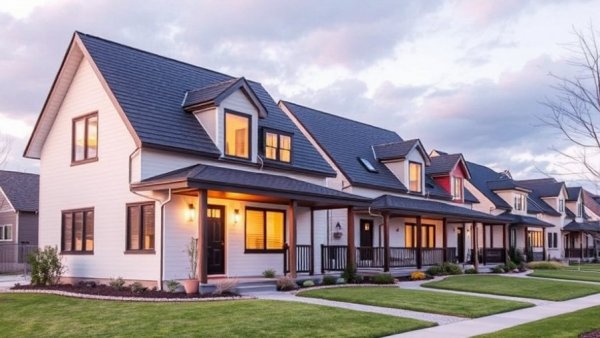
The Changing Face of Home Affordability: 2006 vs. 2026
The landscape of homeownership has significantly shifted over the last two decades. Analysis of 12 key housing indicators presents a stark contrast between 2006 and 2026, specifically highlighting affordability and market accessibility. As we explore these insights, we can better understand the implications for current and prospective homeowners navigating this challenging market.
Understanding Homeownership Rates and Prices
Currently, homeownership sits at 65%, a moderate decline from 68.7% in 2006. This trend underlines a crucial factor in housing economics: growing prices juxtaposed with income trends. The median home price has escalated from approximately $221,900 to $417,500, exemplifying a broader reliance on higher income brackets to maintain home ownership. In 2006, the median household income was $48,200, compared to $87,460 now—indicating both wages and home prices have roughly doubled in the past two decades. This significant increase can make the dream of owning a home feel increasingly elusive, especially for younger generations and first-time buyers.
The Impact of Mortgage Rates on Affordability
The average 30-year mortgage rate now sits at 7.4%, slightly higher than the 6.41% recorded in 2006. The increase in these rates dramatically affects monthly payments, with principal and interest rising from $1,112 to $2,313. For many potential homeowners, this dramatic rise in monthly costs may raise serious concerns about affordability, leading to fears of being priced out of the market altogether. Particularly affected are first-time buyers, whose average age has seen a significant increase from 32 to 40 years old, indicating a longer wait time for younger buyers trying to break into the market.
Inventory Challenges and Market Competition
One of the pivotal issues in the current housing market is inventory. In 2006, there were 3.51 million homes available for resale compared to just 1.6 million available now—representing roughly one-third of the previous supply. This scarcity and reduced inventory exacerbate competition among buyers, creating a challenging environment significantly impacting younger buyers, who now only make up 21% of sales compared to 36% nearly two decades ago. This lack of affordable homes for sale disproportionately affects many prospective homeowners, who find themselves outbid or unable to secure financing in such a competitive market.
Financial Strategies for Homebuyers
When considering home purchases, financial strategy is critical. Craig, one of the analysts discussed in the original content, argues that spending more than 30% of one’s take-home pay on mortgage payments can be detrimental. He emphasizes a more conservative approach of starting closer to 20%. This budgeting guideline helps ensure that individuals do not overextend themselves financially—a crucial point in an era where living costs are rising. Notably, this proportion is less coherent with rental payments, where no equity is gained, thus advocating for a more cautious budgeting for housing expenses. Considering the fluctuating nature of the economy, buyers should additionally explore their eligibility for government assistance programs designed for first-time homeowners, which can offer critical financial support.
Land Acquisition and Use: A Practical Perspective
Exploring land acquisition can open pathways to homeownership that traditional methods may not. As described in the podcast, Craig emphasized land purchases that already carry agriculture or wildlife exemptions as simpler and more cost-effective routes to homeownership. While these efforts require due diligence, including understanding local regulations and waiting periods, they can be highly beneficial in easing financial burdens associated with home purchases. For prospective buyers, understanding zoning laws and the benefits of agricultural exemptions can also yield significant savings in property taxes. Additionally, securing land with already established exemptions can enhance property value and provide long-term plans for sustainability and self-sufficiency.
The Future: Home Buying in a Post-Pandemic Era
The pandemic has reshaped many aspects of living, particularly housing. If trends continue, we're likely to see increased demand for rural properties as remote work becomes entrenched in more industries. Many people are seeking homes that afford more space, enabling them to adapt to hybrid work arrangements. Moreover, as housing policies adapt and evolve, younger generations may need to approach homeownership with innovative strategies, including leveraging market options that allow for negotiating lower interest rates through builders or seeking government assistance programs designed specifically for first-time buyers. Staying informed about market trends and available assistance options can empower buyers in their journey.
Equipped for Change: Knowledge is Power
For current and future homeowners, understanding these indicators is essential. It enables buyers to navigate an increasingly complex market. Financial flexibility, understanding market trends, and strategic planning will be key in making informed decisions while pursuing homeownership in this evolving landscape. As observed, the challenges are substantial, yet with the right information and preparedness, prospective buyers can still unlock the door to their dream homes, despite the daunting market conditions.
At Homeowners Show, we encourage our listeners to stay educated and proactive. Knowledge is the most powerful tool one can have in real estate. By investing in knowledge today, we can all contribute to a brighter tomorrow in homeownership. For more insights and episodes, visit homeownersshow.com. Through awareness and persistence, the future of homeownership can be brighter for all.”




Write A Comment