

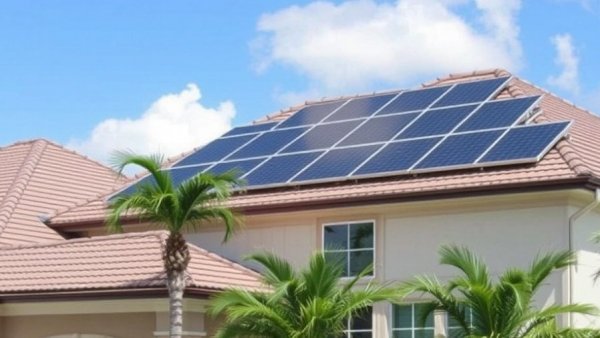
Understanding Florida's Solar Panel Law for Homeowners
As homeowners increasingly seek sustainable energy solutions, understanding legislation is vital, particularly in the vibrant state of Florida. There exists a fundamental law prohibiting homeowners' associations (HOAs) from unreasonably denying homeowners the right to install solar panels, paving the way for easier adoption of renewable energy systems. However, nuances of how these laws apply can create a gray area–specifically, regarding the placement of solar panels.
Can HOAs Dictate Solar Panel Placement?
While Florida law ensures that HOAs cannot outright reject solar panel installations, it does allow for some degree of oversight, such as architectural reviews. This review process typically enables HOAs to ensure that installations conform to aesthetic guidelines established within communities. As observed in the case raised on Reddit, specific questions can arise about the placement of solar panels, especially when considering backyards versus rooftops.
In this particular scenario, the homeowner expresses concern about installing panels on the roof due to potential water leakage, impact during hurricanes, and cost implications for future roof repairs. Intriguingly, they also have ample space in their backyard for installations that would likely remain unseen from the street. Thus, this raises a pertinent question for many homeowners: Does Florida law explicitly restrict where solar panels can be placed?
Regulatory Landscape: Residential Solar Considerations
Florida's solar panel legislation is primarily governed under Chapter 163 of the Florida Statutes, which emphasizes a homeowner's right to solar energy. However, while HOAs can enforce restrictions as long as they do not impede solar access, specific stipulations regarding the placement of solar panels often remain ambiguous. It is crucial for homeowners to review both state laws and HOA regulations comprehensively.
Homeowners should also consider that certain local ordinances may impose additional requirements that influence where solar panels can be installed. For example, some municipalities have specific guidelines meant to maintain the historical integrity of neighborhoods. Therefore, homeowners must investigate local laws to ensure compliance with zoning and property codes in conjunction with HOA rules.
The Importance of Architectural Review
Architectural reviews serve a dual purpose: protecting a neighborhood's visual integrity while balancing homeowners' rights concerning renewable energy. While some associations may impose rules concerning how visible a solar installation can be, they cannot prevent it entirely if local laws allow it. Homeowners should engage directly with their HOAs to clarify these guidelines and express concerns about the potential effects of rooftop installations versus backyard setups.
Moreover, clear communication with the HOA can also foster goodwill and lead to beneficial compromises. For example, educating HOA board members on the benefits of solar energy and how modern installations can be designed to blend with community aesthetics could be advantageous. Open dialogue may evolve into collaborative efforts to develop community-wide standards that accommodate solar energy while maintaining each homeowner's rights.
Risk Management: Installation Challenges
Alongside legislative implications, homeowners must assess the practical challenges tied to solar panel installation. The concerns over leaks and roof replacements raised by homeowners are valid; ensuring that installations occur safely without causing structural damage is paramount. Some homeowners have opted for ground-mounted systems to circumvent risks associated with rooftops. This option can mitigate issues during adverse weather conditions, such as Florida’s hurricane season.
However, potential homebuyers in Florida should be aware that installing solar panels, whether on the roof or in the backyard, can affect home value and insurance rates. It's advisable for homeowners to consult with insurance providers to understand how solar installations may influence their premiums and what coverage adjustments might be necessary.
Mainstream Acceptance: Trends in Renewable Energy
According to the Solar Energy Industries Association (SEIA), Florida ranks as one of the leading states in solar energy production, which indicates growing acceptance among residents. The trend towards more sustainable energy solutions aligns with the increasing desire for energy independence and lower utility bills. Additionally, a shift towards ground-mounted installations signals a changing landscape where aesthetics meet functionality, comprising an innovative approach to renewable energy integration.
As solar technology evolves, homeowners are prompted to consider more than just initial installation costs; incentives such as tax credits and rebates can significantly reduce financial burdens. Staying informed about these financial benefits can enhance the appeal of solar energy systems, making them more accessible to a broader range of homeowners.
Actionable Insights for Florida Homeowners
For anyone contemplating solar panel installation, understanding local codes, reaching out to HOAs, and assessing personal energy needs are essential starting points. Homeowners should document their installation plans clearly, discuss openly with their HOA, and prepare to advocate for their rights regarding installation practices that best suit their preferences.
Moreover, considering the environmental and economic benefits of switching to solar energy can sway both HOAs and neighbors in favor of installations. Presenting data on the reduced carbon footprint and long-term savings associated with solar panels can help cultivate a more accepting atmosphere in neighborhoods that might initially be resistant to change.
Next Steps: Advocating for Your Rights
The conversation around solar energy is ongoing, and as many Florida homeowners explore their options, it is crucial to remain informed about legal rights and obligations. If you're located in Florida and facing similar dilemmas, consider consulting local solar companies or legal advisors who specialize in HOA rules to navigate your unique situation effectively. You may also want to connect with local advocacy groups that promote renewable energy initiatives for support and insights from others in your community who have successfully navigated similar challenges.
In conclusion, engaging in community discussions, understanding regulations, and advocating for personal rights are empowering steps towards benefiting from solar installations while addressing homeowners' concerns. By actively participating in the dialogue around solar energy, Florida homeowners are not only prioritizing their own interest in sustainability but also contributing to the larger movement towards eco-friendly living and energy independence in our rapidly evolving society.




Write A Comment