
Understanding the Implications of Sole Signer Loans
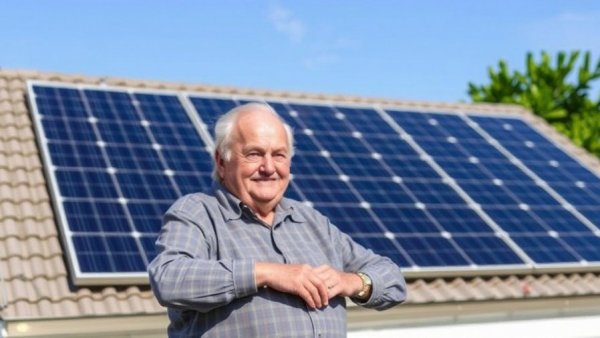
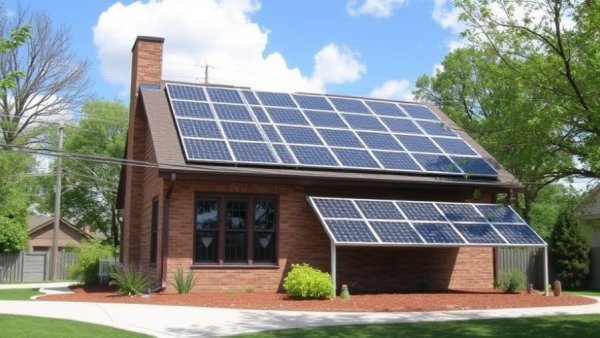
When an individual passes away leaving behind debt, it presents a complicated situation for surviving family members, especially when that debt is tied to home improvements like solar panels. In this case, a grandmother is left grappling with a $30,000 loan signed solely by her late husband for solar panels installed on their home. Without a will or other assets, this becomes even more complex. The absence of a will often leads to a situation known as intestacy, where the deceased's assets and liabilities are distributed according to state laws, which can be quite confusing for families navigating these new realities.
What Happens to Debt After Death?
Generally, debts do not simply vanish upon someone’s death. When a sole signer passes, the responsibility to repay debts typically falls on the estate of the deceased. If there are no assets within the estate, creditors may not be able to collect the full amounts owed. The key question in this instance is whether the grandmother, the sole owner of the home, is legally obligated to assume this loan. In many cases, if an individual is not a co-signer on the debt, they have grounds to contest ownership of it. However, the lender may still seek repayment from the estate or the homeowner.
Legal Considerations for Survivors
It's crucial for homeowners like the grandmother mentioned to consult with a legal professional specializing in estate or debt law to understand the implications fully. In many circumstances, if a spouse wasn’t a co-signer on loans, they can argue they shouldn’t be responsible for those debts. Here, the situation is compounded by potential issues around elder exploitation, as the original company installing the panels may have taken advantage of an elderly individual and a language barrier. Elderly individuals often face difficulties understanding complex financial terms, making them prime targets for dubious sales tactics. Thus, assessing the legitimacy of the loan agreement and the circumstances under which it was signed is a critical first step.
Exploring Options: Consolidation or Negotiation
Homeowners facing burdensome debts can consider several strategies, such as negotiating with lenders or potentially consolidating loans. Contacting the loan servicer is the first step; they may offer various solutions, especially in light of the extenuating circumstances. It's essential to gather any documentation about the loan and the borrowing process, as these details can help in negotiations. Financial institutions often have hardship programs and could be flexible under certain conditions. Resulting from the pandemic, many lenders have also adjusted their practices to accommodate borrowers facing financial hardship, making it worth exploring all possible avenues for resolution.
Risks of Not Addressing the Debts
If the loan remains unpaid without a proper negotiation or settlement, the lenders might consider foreclosing on the solar panel installations. This could lead to further implications for home ownership and credit. For homeowners, maintaining an open line of communication with lenders could prevent misunderstandings and unnecessary legal action. Ignoring the situation can lead to various negative repercussions, including damaged credit scores and the possibility of legal action against the estate or individual.
Highlighting Elderly Targeting and Consumer Protection
This situation also sheds light on a troubling trend concerning the elderly being targeted by aggressive sales strategies in the solar industry. Seniors, who may lack intimate knowledge of financial products, are particularly vulnerable. Awareness campaigns on consumer rights and protections for seniors could help prevent this from happening in the future. Further, nonprofit organizations and advocacy groups play a vital role in disseminating information about predatory sales practices that disproportionately affect the elderly demographic. Understanding one’s rights and available resources can empower individuals in similar situations to take action and avoid exploitation.
Future Trends in Solar Financing
As the renewable energy sector expands, it’s vital for stakeholders to ensure that marketing and sales practices protect the rights of consumers, particularly older adults. As technology and financing options evolve, so too should the protective measures surrounding vulnerable populations to prevent exploitation and ensure they are provided with fair and transparent loan conditions. The industry should consider implementing stricter regulations and increasing transparency in financing agreements to safeguard consumers from misleading information.
Take Action and Seek Guidance
For those in similar predicaments, it’s imperative to seek out resources such as legal guidance, financial counseling, and community support pillars. Organizations dedicated to helping families navigate financial obstacles can provide leads on how to address such situations efficiently. Additionally, seeking out local community programs that offer financial education can help families better prepare for such unexpected circumstances in the future. Understanding all available options can aid in making informed decisions that best suit one’s financial situation.
In summary, managing debt tied to solar panels after the death of a spouse requires careful navigation of both legal and financial landscapes. It is crucial to take proactive steps to address concerns, engage with experienced professionals, and remain informed about rights regarding debt obligations.




Write A Comment