

Good Solar Planning for Homeowners in Tropical Climates
As homeowners increasingly seek ways to reduce energy costs while boosting property value, the transition to solar energy has gained momentum. For those in tropical regions, the significant number of sunny days makes solar power an attractive option. However, careful planning is essential to ensure that your DIY solar project meets your energy needs effectively. Understanding the nuances involved in setting up solar systems can help alleviate concerns and empower you to make informed decisions.
Understanding Solar Energy Capacity
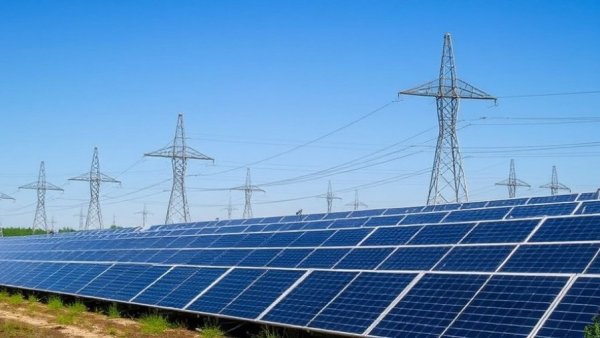
Your inquiry about solar panel capacity raises an important aspect of solar energy systems: understanding how capacity translates into actual energy production. Typically measured in watts, the capacity of solar panels signifies the maximum power a panel can produce under optimal conditions. For a household, several factors determine the ideal capacity:
- Household Energy Needs: Calculate your average energy consumption in kilowatt-hours (kWh). Assessing your previous energy bills gives you a clearer understanding of how much energy you actually need to generate. Keep in mind seasonal variations; if you use air conditioning extensively during hot months, your energy use might spike, necessitating higher capacity during those times.
- Solar Panel Efficiency: Different solar panels have varying efficiency ratings. Higher efficiency panels produce more electricity in limited space, which is crucial for smaller rooftops. Be sure to research brands and models; sometimes premium prices come with warranties and service that can pay off long-term.
- Climate Conditions: In a tropical country where sunlight is plenty, you may benefit from panels that are optimized for high temperatures, as these tend to perform better under conditions typical of your environment. Additionally, consider the potential for extreme weather events like storms or heavy rainfall that may impact your installation and the durability of the panels.
Potential Cost Savings and Impacts
Investing in a solar DIY project isn't just about saving money on your energy bills; it also impacts your overall financial health. Current incentives and tax breaks can make solar installations more affordable. Moreover, increasing your home's value through sustainable solutions is an attractive benefit. According to a study by the National Renewable Energy Laboratory, homes with solar panels tend to sell faster and for about 4% more than those without. This insight is particularly relevant for eco-conscious buyers in today’s market. Furthermore, living sustainably can lead to improved community engagement and brand loyalty if you later decide to sell your home or rent it out.
Expert Insights and DIY Considerations
Before beginning your project, consider consulting solar energy specialists or DIY enthusiasts who have successfully installed similar systems. Engaging with online forums or local community groups can provide additional insights tailored to your region. Accurate estimates of costs involved, from panels to installation and maintenance, are crucial. Typically, costs range from $15,000 to $25,000 for complete systems, but DIY installations can significantly lower the total expenses. It's also wise to factor in potential future upgrades or expansions as your family's energy needs evolve.
Future Trends for Solar Power
Looking ahead, the future of solar energy seems promising. As technology advances, we are witnessing innovations such as energy storage solutions and smart home integrations that enhance the effectiveness of solar energy systems. Battery storage, for instance, allows homeowners to store excess energy generated during the day for use at night or during cloudy periods, creating a more reliable energy supply. Advances in technology like thin-film solar panels and bifacial panels will be enhancing market options, making solar power more accessible to homeowners.
Funding Your Solar Project: What You Need to Know
Many homeowners explore financing options to help with the upfront costs. Federal, state, and local incentives can significantly reduce expenses, while financing options offered by some providers allow homeowners to pay for their systems over time. Home equity loans or solar loans are also worth considering but assess their terms carefully. Additionally, consider exploring crowd-funding platforms or local green energy grants aimed at supporting DIY and community-based solar initiatives, which could provide a financial boost.
Common Misconceptions About Solar Energy
Many potential solar users have reservations based on misconceptions. One common myth is that solar panels require a lot of maintenance. In reality, solar systems are relatively low-maintenance; regular cleaning and periodic inspections are typically all that's necessary. Additionally, inquiries often surface about performance in cloudy or rainy conditions. The truth is that solar panels can still generate electricity even with less sunlight. Understanding these aspects can alleviate concerns and encourage more homeowners to consider solar energy. Inflation and rising energy prices also increase the urgency for homeowners to secure more predictable solar energy costs.
Conclusion: Embracing Solar Energy
As you embark on your solar DIY journey, it’s crucial to gather as much information as possible. Each step towards solar integration offers not only the promise of reduced energy bills but also contributes to a sustainable future. By taking informed steps and leveraging available resources—including expert insights and community feedback—you can successfully implement a solar solution that meets your household needs. Remember, your solar system's performance will depend on multiple factors, including installation quality, system design, and climate adaptability, so planning thoroughly will pay dividends down the road.




Write A Comment