

Solar Energy: The Future of Affordable Electricity
As we approach 2035, the energy landscape is rapidly shifting, with solar power emerging as a frontrunner. A recent discussion highlights that by then, the cheapest grid will not only be accessible but also primarily clean. This transformation is a vital opportunity for homeowners and businesses alike, shifting the paradigm from fossil fuels to renewable sources of energy. The strong push toward solar energy is not just a trend but represents a fundamental change in how we think about power production and consumption.
Understanding the Shift to Solar Power
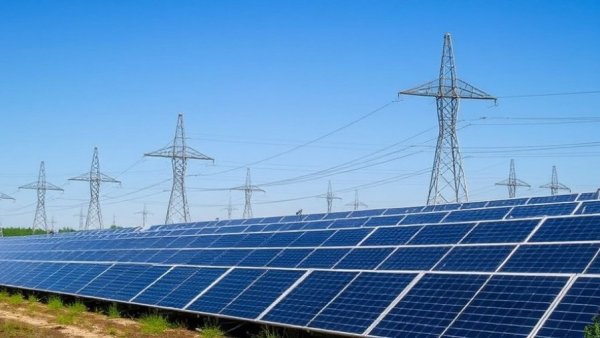
The global momentum towards solar energy stems from several compelling factors. First, decreased installation costs make solar panels more affordable. Over the past decade, prices have plummeted by over 80%, making solar energy a feasible option for many. According to various reports, utility-scale solar installations are expected to double and will contribute significantly to our energy grid by 2035. Additionally, government policies in many countries are supporting this transition. For instance, renewable energy mandates and subsidies for solar power production are gaining traction, incentivizing both residential and commercial adoption of solar infrastructure. Coupled with advancements in energy storage solutions, the reliability and efficiency of solar energy will only improve, allowing homeowners and businesses to store energy generated during sunny days for use during cloudy periods or at night.
The Economic Impact of Solar Adoption
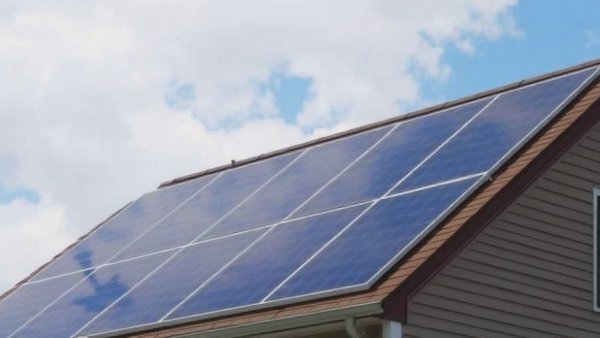
Homeowners aged 30-65, particularly those seeking to lower energy costs and boost their property value, will find the transition to solar energy economically beneficial. Solar installations can increase home values—often yielding returns of up to 20% on investments. This increase is partly driven by growing consumer preference for energy-efficient homes and demands for sustainable living environments. Furthermore, as traditional energy prices continue to rise, residents who invest in solar technology could face unprecedented long-term savings. The shift is not just about sustainability; it is also about financial prudence, with many solar systems often paying for themselves within a short time frame through reduced electricity bills and additional savings on potential utility increases.
Environmental and Social Responsibility
In addition to economic advantages, solar energy presents a chance to mitigate climate change. The transition to solar power represents a critical step toward reducing greenhouse gas emissions. Solar energy is arguably the most abundant renewable energy source, with the potential to power the globe many times over. Achieving a solar-dominant infrastructure helps decrease reliance on fossil fuels, which are a primary driver of environmental degradation. As eco-conscious individuals, homeowners and business owners alike can play a part in protecting the planet through their choice of energy. Every home equipped with solar panels contributes to a cleaner ecosystem, and as a collective effort, this can lead to sustainability at larger scales.
Counterarguments: The Challenges Ahead
While the transition to solar energy offers numerous advantages, it is essential to recognize the challenges. One major concern is the energy production intermittency—solar energy generation fluctuates based on weather and time of day. However, innovations in battery technology, like Tesla's Powerwall and similar products, are addressing these challenges by providing storage solutions that can store excess power generated during peak sunlight. Moreover, advancements in grid technology and smart grid systems are allowing a smoother integration of solar energy into existing infrastructure. Community solar projects, where multiple homes share the benefits of a single solar installation, also present a solution to those unable to install systems on their rooftops, making solar energy more accessible to a broader audience.
Inspiring a Future of Clean Energy
As we look toward a cleaner and more sustainable future, the prospect of a solar-dominant energy grid is not merely a dream; it is an achievable reality. With government incentives and continual advancements in technology, the accessibility of solar energy will deepen. In some regions, homeowners can now secure low-interest loans to finance their solar systems without large upfront costs. Those who invest today could lead the charge in pioneering a sustainable energy future while also reaping the economic benefits. Furthermore, community awareness programs and educational initiatives are increasing understanding and fostering a culture that values renewable energy and conservation.
What Can Homeowners Do?
For homeowners interested in adopting solar solutions, now is the time to explore options. Start by assessing available incentives, researching local installation companies, and understanding energy needs. Many regions offer rebates and tax credits that can significantly lower the upfront costs of installation. Consulting with local energy advisors can provide tailored advice based on unique factors such as geographic location, solar exposure, and specific energy consumption patterns. Additionally, considering options like leasing solar panels can eliminate upfront costs while still benefiting from renewable energy.
Conclusion: Embrace the Solar Revolution
The path to a clean grid by 2035 is paved with opportunities for innovation, savings, and environmental stewardship. As the shift toward solar energy progresses, individuals and businesses have a unique chance to embrace change, securing their financial futures while contributing to a sustainable world. Ultimately, joining the solar revolution is not only a decision to invest in renewable resources but also a commitment to a healthier planet for future generations. By taking action today, we can collectively shape a greener tomorrow.





Write A Comment