

Understanding Long-Term Solar Contracts: A Cautionary Tale
The journey to solar energy can often seem like a bright investment, especially for those seeking to cut down on high energy bills while increasing property value. The appeal of harnessing the sun's energy is undeniable, as it offers a chance for homeowners to contribute positively to the environment. However, as one homeowner learned the hard way, signing a long-term Power Purchase Agreement (PPA) comes with risks that can overshadow those initial advantages.
What Happened to One Family's Solar Dream?
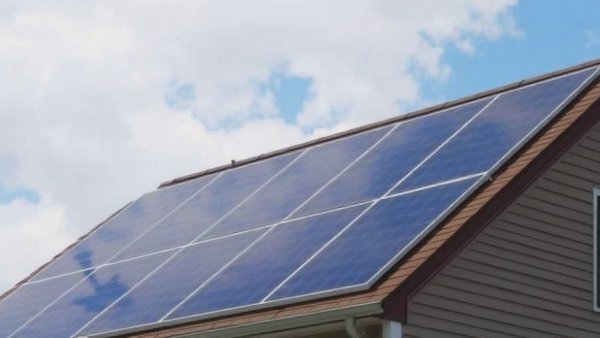
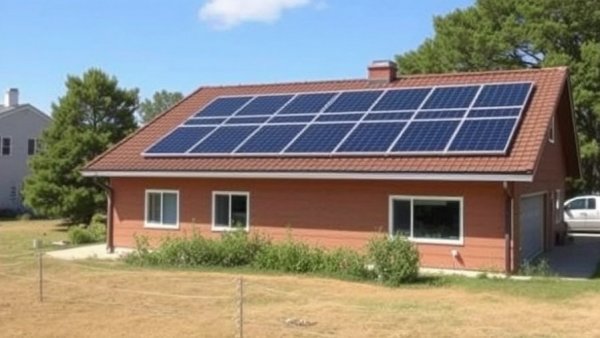
When the original poster’s mom signed a 20-year PPA lease with Sunrun in 2018, it was meant to be a step towards sustainable living—a pathway to not just reducing electricity costs but also taking part in a greater environmental cause. With solar panels installed atop their home, the system was projected to produce approximately 7,921 kWh annually, offering both energy savings and environmental benefits. Unfortunately, after her passing, the family discovered that the system had gone offline for nearly a year, resulting in costs that accumulated with no energy benefits. Worse yet, in order to claim any of the money owed to them, they were pressured into signing another contract that required waiving significant rights, demonstrating how vital it is for potential solar customers to be fully informed about their agreements.
The Pitfalls of Power Purchase Agreements
Power Purchase Agreements are designed to afford homeowners the opportunity to reap the benefits of solar energy without the substantial upfront costs typical of a purchase or lease. The appeal of a PPA rests in the idea that homeowners only pay for the energy generated rather than for the solar installation itself. However, as illustrated in this particular case, if the terms are not completely understood at the outset, the responsibility that comes with long-term commitments can lead to significant financial and legal issues. Homeowners can become vulnerable, especially when dealing with large companies that may not prioritize individual customer needs.
Understanding Financial Obligations
The specifics of the agreement play a crucial role in determining the financial obligations faced by homeowners. In this instance, the original monthly payment was pegged at $99.01 with a 1.9% annual increase for the duration of the 20-year term. Such an arrangement can seem manageable initially, but the unforeseen events that followed illustrate how easily a homeowner can find themselves trapped in a costly agreement that may ultimately serve little benefit. As the family learned, the complexities of such agreements can include hidden fees or conditions that become burdensome over time, making thorough scrutiny during the signing process essential.
Consumer Rights and Resources
This unfortunate situation raises key questions regarding consumer rights in the context of solar agreements. Can a successor trustee—essentially someone designated to take over the deceased’s assets—be forced to continue a contract signed by the deceased? Legal insights suggest that while companies like Sunrun must adhere to specific guidelines, individual states may have different regulations regarding residential contracts after someone's passing. The Better Business Bureau (BBB) and Contractors State License Board (CSLB) are valid resources for support but often offer limited assistance in cases where the person who signed the contract is no longer able to advocate for themselves. Homeowners who find themselves navigating this complicated landscape should consider these resources as part of their due diligence.
The Importance of Legal Guidance
For homeowners in similar positions, seeking legal counsel is crucial for protecting their rights. A knowledgeable real estate attorney can provide clarity on the rights of successors and help navigate negotiations with solar companies. With an attorney's expertise, it may be possible to renegotiate terms that better reflect the homeowner's current situation without falling prey to the heavy pressure often exerted by large corporations. Understanding legal rights can empower homeowners to advocate for themselves effectively, allowing for potential resolution without compromising their financial and legal standing.
Are Solar Investments Worth the Risk?
As renewable energy sources gain traction and the desire for sustainable living becomes more prevalent, the narrative surrounding solar investments can often be glossed over by the allure of immediate savings. However, it is critical for prospective investors to understand the long-term implications and potential pitfalls. Before committing to solar energy solutions, homeowners should conduct a thorough evaluation of both the financial benefits and possible legal entanglements. Companies that offer transparency and prioritize customer interaction can make a significant difference in ensuring a positive experience. As solar technology evolves, having a strong customer support system can ease the process and help consumers feel more secure in their investments.
Looking Ahead: The Future of Solar Agreements
While this situation may sound discouraging, it also highlights opportunities for enhanced practices within the solar industry. As the demand for sustainable solutions continues to grow, there is potential for companies to develop fairer PPA models that focus on clarity and customer rights. The shift towards more consumer-friendly policies not only serves individuals seeking energy solutions but can also enhance the overall reputation of solar companies, fostering trust and long-term relationships with their customers.
Real Stories, Real Progress
The homeowner's story illustrates the struggle that many face amid the push for cleaner energy solutions. It emphasizes the significance of making decisions regarding solar energy based on a thorough understanding of contract terms. As the renewable energy landscape continues to evolve, informed choices will lead to better outcomes for consumers and companies alike. This underscores the necessity of education and awareness for anyone considering solar options.
Your Next Steps in Solar Investment
If you are considering solar panels for your home, remember the importance of understanding every clause in a contract before you sign. Research various companies and seek those that align with your values regarding customer service and support. Prioritizing transparency and knowing your rights can help you avoid potential pitfalls, securing a sustainable future for yourself and your family. Being proactive, well-informed, and vigilant will empower you to navigate the complexities of solar investments with confidence.



Write A Comment