

Understanding Solar Panel Glare: A Growing Concern
In recent years, solar panels have emerged as a popular solution for homeowners looking to reduce energy costs and increase property values while promoting sustainability. However, as urban areas densify and renewable energy technologies like solar become widespread, concerns related to their installation proliferate. One unusual issue gaining attention is glare from solar panels, which can potentially disrupt neighbors’ quality of life. As more people turn to solar as an eco-friendly energy source, it’s essential to understand the full implications of such installations, from aesthetic concerns to potential legal disputes.
Neighbor Disputes Over Solar Energy: A Real Case
A Reddit user recently shared their experience living in California, where they had installed Tesla solar panels on their property. The panels are positioned 20 feet below their neighbor's property, which sits on a hill. The neighbor claims this installation has led to an increase in temperature in their home, specifically attributing it to glare from the panels causing discomfort. They assert that this glare has resulted in headaches and even affects their roses, creating a significant concern about their garden's health. These serious claims raise important questions about what constitutes a nuisance under property law and the obligations of homeowners regarding their solar installations.
Legal Grounds for Action: What Are the Risks?
In the case presented, the neighbor is contemplating legal action based on the principle of nuisance, which legally justifies complaints that impact a neighbor's enjoyment of their property. California, however, is known for its pro-solar stance, making serious legal challenges against solar panel installations less common. The idea of whether or not solar glare qualifies as a significant nuisance may depend on various factors including local regulations and the prior design and orientation of both properties. Homeowners might want to consult legal experts before proceeding, as the nuances of property and environmental law can be intricate and vary from one jurisdiction to another.
The Science Behind Solar Panel Glare
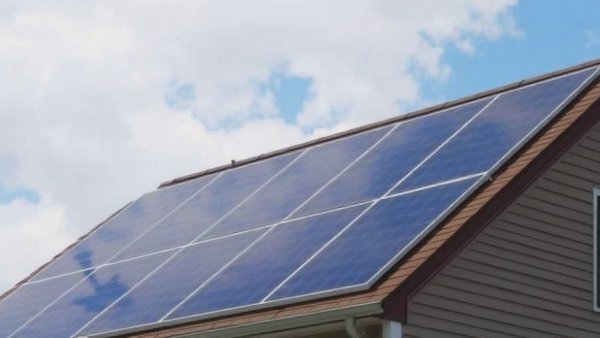
The concerns regarding glare are rooted in the reflectivity of solar panels. Modern panels, such as the Tesla models referenced in the Reddit post, commonly feature anti-reflective coatings designed to minimize glare. These coatings can significantly reduce the amount of light reflecting off the panels, potentially diminishing the irritation faced by neighbors. However, these coatings could decrease the panels' efficiency by about 6%, raising questions for those who prioritize energy production over aesthetics. Additionally, the maintenance of such coatings introduces further costs and obligations for homeowners wishing to mitigate any potential disturbances.
The Emotional Angle: Homeowners and Nuisances
For the homeowner in question, the introduction of solar panels may disrupt the previously enjoyed tranquility and aesthetics of their living space. The neighbor's expressed discomfort illuminates a broader societal concern about the ripple effects of seemingly beneficial technologies. Homeowners often invest in solar energy for its financial and environmental benefits, but they may inadvertently alter their neighbor's experience of their property. This situation emphasizes the need for open communication and mutual understanding among neighbors before and after installations take place.
Coping with Conflict: Best Practices for Neighbors
As the dialogue around solar energy evolves, understanding how to address neighborly conflicts is crucial. Homeowners installing solar panels should proactively engage with neighbors prior to installation. Open communication can go a long way in addressing potential issues and exploring solutions, such as applying coatings or reevaluating panel placements, which may ease tensions without compromising sustainability goals. Hosting neighborhood meetings or discussing potential impacts can foster a collaborative spirit and maintain community harmony.
Future of Solar Panels: Innovations Ahead
The situation illustrated emphasizes the significance of educating homeowners about the impacts of solar energy systems, not just on their energy production but also the potential effects on neighboring properties. As technology continues to innovate, researchers are exploring new materials and designs aimed at further reducing glare while optimizing energy capture. Regulatory bodies and industry leaders are also pushing for solutions that address social concerns associated with solar installations, ensuring the shift towards renewable energy is as inclusive as possible.
Engaging Community and Local Solutions
Community-driven initiatives could play a pivotal role in tackling the challenges posed by solar installations. Homeowners associations and local government programs can facilitate discussions about solar regulations, adjust zoning laws, or introduce pilot programs that allow neighborhoods to collectively address concerns regarding aesthetic choices and environmental impacts. These efforts could include workshops to educate residents about solar technology, its benefits, and its potential effects on surrounding properties.
Conclusion: Finding Middle Ground
As solar panels gain footholds in residential areas, it is vital for neighbors to navigate these changes with empathy and understanding. While it is essential to adopt renewable energy solutions, it is also important to respect the comfort and well-being of all families involved. By understanding potential legal standpoints and developing strategies to handle disputes, homeowners can pave the way toward a collective, sustainable energy future that benefits everyone.
Negotiating the balance between personal sustainability and the collective good is crucial in today’s rapidly changing energy landscape. Engaging in constructive conversations and exploring potential solutions can lead to a harmonious relationship, ensuring that the transition to solar energy enhances—not harms—the quality of life in our neighborhoods.




Write A Comment