

Understanding the Risks: High-Risk Medications in Older Adults
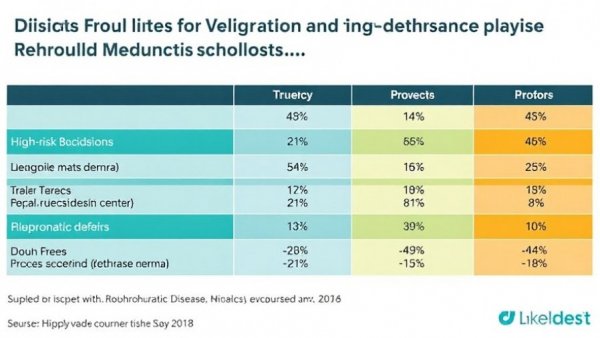
As many as 1 in 3 older adults diagnosed with rheumatic diseases are prescribed high-risk medications, often by healthcare providers who do not specialize in rheumatology. This concerning trend highlights a gap in specialized medical care and the potential dangers faced by an already vulnerable population. Rheumatic diseases can significantly affect the quality of life, making it crucial for patients and caregivers to be vigilant about the medications that are prescribed.
Why Are High-Risk Medications Prescribed?
High-risk medications can include drugs that increase the likelihood of side effects or interactions, especially in older patients whose bodies process medication differently compared to younger populations. For those suffering from rheumatic diseases, which can involve chronic pain and inflammation, the immediate need for relief often outweighs concerns about long-term consequences. Many patients find themselves in a challenging position, balancing their need for pain management with the potential for adverse effects.
Common Rheumatic Diseases and Their Medication Challenges
Rheumatic diseases, such as rheumatoid arthritis and lupus, often require a nuanced approach to treatment. A large study conducted by Medscape shows that patients with these conditions tend to face a higher likelihood of being prescribed potentially harmful medications. These medications, while effective in some cases, can have severe side effects, especially in conjunction with other treatments that older adults may be receiving for unrelated health issues. For instance, combining anti-inflammatories with blood thinners may elevate the risk of gastrointestinal bleeding, a significant concern for older patients who may already be at risk due to age-related factors.
The Role of Non-Rheumatology Clinicians
The reality is that many older adults see primary care providers rather than rheumatologists. This can lead to inappropriate prescribing patterns. While primary care physicians are often well-meaning, their lack of specialized training in rheumatology can result in a disconnect regarding the complexities of medications for rheumatic diseases. This issue is compounded by the fact that many patients may not communicate effectively about their ongoing treatments due to the sheer complexity of their health conditions or simple fear of burdening their doctors.
Emphasizing Collaborative Care
One way to mitigate these risks is through more collaborative care practices, where rheumatologists work with primary care physicians. This multi-disciplinary approach can ensure that older patients receive the most accurate recommendations tailored to their specific needs while reducing the likelihood of adverse effects from high-risk medications. Patients can also play a role in this process by advocating for a referral to a rheumatologist if they feel their condition requires specialized attention.
Understanding Patient Perspectives
It's also essential to understand how older adults feel about these prescriptions. Many are willing to take risks for relief from chronic pain and discomfort. They often prioritize immediate quality of life over the potential long-term health implications, leading to frequent debates between patients and healthcare providers. Healthcare professionals must provide transparent information about the benefits and risks associated with high-risk medications, encouraging older patients to engage in more informed decision-making. This dialogue can empower patients and their families, helping them understand that they have a voice in their care and treatment choices.
Actionable Insights for Patients and Caregivers
For caregivers and family members looking after older adults with rheumatic diseases, communication is key. Speak up during medical appointments and voice any concerns regarding medications. Make it a practice to question prescriptions and seek a second opinion, especially when a medication seems contrary to information received in the past. Keeping an open line of dialogue with healthcare providers is vital in navigating complex treatment regimens that often involve high-risk medications. Furthermore, educating yourself about the specific rheumatic disease and the medications prescribed can help caregivers feel more confident when discussing treatment options with medical professionals.
Future Predictions: Evolving Healthcare Practices
Looking ahead, the healthcare industry must adapt to the growing needs of older adults with rheumatic diseases. This includes increased emphasis on training for primary care providers in recognizing and managing chronic conditions effectively without resorting to high-risk medications. Additionally, exploring alternative therapies and non-pharmaceutical approaches, including physical therapy or lifestyle changes, might not only benefit individual health outcomes but also reduce the prescribing of potentially harmful drugs.
A Holistic Approach to Wellness
Incorporating holistic practices, such as mindfulness and nutrition, may also play a role in managing rheumatic disease symptoms. A proper diet tailored to reduce inflammation, routine exercise adapted to individual abilities, and stress management techniques can improve quality of life. This holistic focus can empower older adults, equipping them with strategies to complement their medication regimen safely.
In conclusion, while high-risk medications can provide necessary relief for older adults with rheumatic diseases, the risks associated with these medicines cannot be ignored. By prioritizing collaborative care, informed decision-making, and open communication, we can support older patients in their journey toward better health. Given the growing population of older adults, enhancing awareness and involvement in treatment plans will only become more critical.
Are you or a loved one navigating the complex world of rheumatic diseases and medications? Stay informed about the latest trends and recommendations to ensure safe and effective care!






Write A Comment