

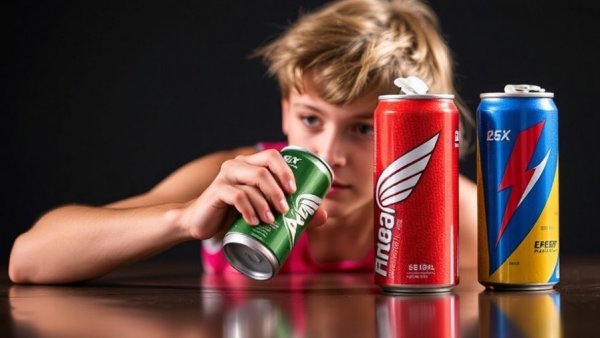
Rising Trends in Energy Drink Consumption among Adolescents
In recent years, there has been a notable spike in the consumption of high-caffeine energy drinks among US adolescents, a trend that runs counter to previous declines. This increase raises important health considerations, particularly because adolescent athletes are more likely to consume these beverages than their nonathletic peers. The potential health implications of high-caffeine intake are concerning, as these drinks can lead to increased heart rate, anxiety, and sleep disturbances. Understanding this trend is crucial, as it not only affects individual health but also the overall sporting culture and the health patterns of future generations.
What Drives This Growing Habit?
Several factors may contribute to the rising energy drink consumption among young athletes. The competitive nature of sports sets a precedent where many adolescents believe that energy drinks enhance their performance and endurance. This belief, although not entirely unfounded, often overlooks the potential health risks associated with excessive caffeine intake. Moreover, adolescents frequently turn to energy drinks during intense training sessions or before games in hopes of gaining an edge over their competitors.
Additionally, the marketing strategies employed by energy drink companies often target young audiences, making these products seem attractive and appealing. Influencer partnerships, sponsorship of sporting events, and vibrant advertising campaigns capture the attention of youth, presenting energy drinks as essential tools for success. Social media plays an extensive role in reinforcing these beliefs; through platforms like Instagram and TikTok, users often witness their favorite athletes endorsing these beverages, solidifying their presence in youth culture.
Understanding the Risks
The health risks tied to energy drink consumption are particularly concerning for adolescents whose bodies are still developing. Studies have shown that excessive caffeine can lead to a variety of adverse effects, including dehydration, increased blood pressure, and even cardiac issues. For athletes, these drinks might seem like a shortcut to performance enhancement, but they could lead to longer-term health problems that overshadow any temporary benefits. Furthermore, the implications of caffeine extend beyond immediate physiological effects. Regular consumption can lead to dependence, withdrawal symptoms, and changes in mood or behavior, complicating an adolescent's overall mental health.
It's also critical to consider the interactions of energy drinks with other behaviors common among adolescents, such as inadequate sleep and irregular eating habits. When combined with high caffeine intake, these behaviors can exacerbate the risks, leading to detrimental health outcomes that may carry into adulthood.
Problematic Marketing Tactics
The marketing approaches of energy drink brands play a significant role in driving their consumption among adolescents. Through sponsorships, competitive events, and influencer partnerships, these brands convey a powerful message that their products are essential for success in sports and physical activities. This kind of messaging normalizes energy drink usage, especially among impressionable youth.
Moreover, the graphics and slogans employed in advertising often suggest that consuming energy drinks equates to being strong, active, and socially successful, further compelling young people to seek out these products. As consumers, adolescents might not fully grasp the implications of these marketing strategies, making it imperative for parents and educators to foster critical thinking about advertising.
How Parents Can Play a Role
As concerned guardians, it’s essential to engage in conversations about energy drink consumption with adolescent athletes. Open discussions can help demystify the allure of these beverages and allow for the sharing of healthier habits. Encouraging proper hydration practices, like drinking water and natural fruit juices, could serve as healthier alternatives and promote long-lasting wellness.
Involving parents in this conversation is crucial, as having a supportive network can aid adolescents in making more informed choices. Parents could also model healthy behavior by discussing their own hydration practices and preferences. Additionally, families can prioritize balanced nutrition that includes adequate energy from whole foods like fruits, vegetables, and whole grains, which can help enhance athletic performance naturally.
Toward Healthier Choices
Providing adolescents with the knowledge to make informed choices about energy drinks is vital in combating this trend. Schools and sports organizations can also play a pivotal role by educating young athletes on the dangers of high caffeine consumption. Promoting a culture centered around health and well-being over performance alone can lead to more balanced perspectives among young athletes.
Furthermore, having physical education programs incorporate information about nutrition and hydration can empower students to understand their bodies better. Workshops or seminars led by healthcare professionals could help demystify the consequences of energy drinks, breaking down myths and misconceptions. Encouraging peer-led discussions or creating team pledges against energy drink consumption might also enhance the message among young athletes.
Final Thoughts
The growing trend of energy drink consumption among adolescents, particularly athletes, serves as a reminder that awareness and education are key. By taking proactive steps to advocate for proper nutrition and hydration, we can help ensure that our youth make healthier choices that contribute to their overall well-being. At the same time, recognizing the influence of marketing strategies and addressing their impact is essential in promoting better health outcomes for future generations. As communities, we must commit to fostering an environment conducive to healthy choices—empowering the youth to thrive both on and off the field.





Write A Comment