

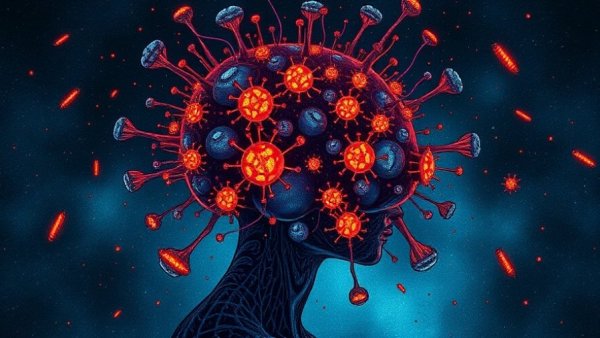
Understanding the Immune System's Quiet Frontline
The immune system operates silently within us, tirelessly working to repair tissue, neutralize pathogens, and maintain our health. Yet, many people may not realize that our mental state significantly influences this vital system. Chronic stress and overwhelming emotions can weaken our immune responses, making us more susceptible to illness. Thankfully, recent discoveries in health science illuminate how we can nurture resilience through certain mindfulness practices, feeding our immune systems with the positive psychology they need to thrive.
The Impact of Stress on Immunity
Stress hormones, particularly cortisol, can wreak havoc on our immune system when they remain elevated due to chronic worry and anxiety. Research indicates that protracted psychological strain diminishes our body’s ability to manage inflammation and activates pathways that further suppress immune activity. This cyclic relationship between our emotions and our body illustrates that a troubled mind can lead to a troubled body. In today’s fast-paced society, many individuals carry the weight of persistent stress, whether stemming from work pressures, family responsibilities, or financial concerns. This constant emotional turmoil can create a feedback loop wherein stress exacerbates health issues, leading to a cycle of decline.
Bridging the Gap Between Mind and Body
Emerging studies, such as a meta-analysis published in JAMA Psychiatry, reveal the powerful connection between mental health interventions and immune function. Those engaged in psychotherapy, cognitive behavior therapy (CBT), mindfulness meditation, or supportive counseling enjoyed heightened antiviral responses and reduced inflammatory biomarkers. This suggests that just as our thoughts can worsen our health, they can equally promote healing and resilience. By investing time in our mental health, we cultivate not only emotional strength but also physical immunity, underlining the importance of a holistic approach to wellness.
Resilience: A Shield Against Illness
Resilience is not just a buzzword; it represents a dynamic psychological process that equips individuals to adapt and thrive amid adversity. Research conducted within the field of mental health has shown that building resilience positively correlates with improved immune responses. Individuals who navigate stress effectively tend to exhibit healthier inflammatory profiles, ensuring that they can bounce back from illnesses with more robust physiological recovery. The concept of resilience involves having better-than-expected outcomes in challenging situations, reflecting psychological flexibility and meaningful engagement with life’s difficulties. Building resilience may even influence how our bodies respond to minor illnesses like the common cold, as those with higher resilience often recover more quickly.
Embracing Mindfulness Practices
The incorporation of mindfulness practices, such as brief meditation sessions or challenging negative thought patterns, can lead to significant improvements in immune function. By encouraging a state of calm and supporting emotional regulation, these techniques foster an environment in which our immune system can operate optimally. Starting with just a few minutes of meditation or practicing grounding techniques can lead to profound changes over time. Local community centers and health organizations often offer classes on mindfulness and meditation, making it easier for individuals to access these resources. Incorporating mindfulness into daily routines, whether during morning coffee or at bedtime, can transform a chaotic day into a more manageable one.
Practical Steps to Promote Immune Well-Being
To strengthen your immune defenses through resilience, here are some actionable insights: 1. **Engage in Mindfulness**: Allow yourself a few minutes each day to meditate or practice deep breathing, even if it’s just during a lunch break. 2. **Challenge Negative Thoughts**: When a negative thought arises, pause and evaluate its validity. Replace it with a more balanced perspective focusing on solutions or positives. 3. **Establish a Routine**: Consistency in sleep, nutrition, and exercise can significantly enhance your body’s resilience. Proper nutrition fuels not only our energy but also our immune function. 4. **Connect Authentically**: Foster close relationships and engage in community activities. Social support has been shown to bolster immune responses and create a network of encouragement and emotional safety. 5. **Seek Professional Help**: Don’t hesitate to reach out to a therapist or counselor who can guide you through your challenges. Many communities offer low-cost or sliding scale services to ensure access for everyone. Each of these small steps contributes not only to resilience but can also create measurable improvements in your immune health.
Looking Toward the Future
As our understanding of the mind-body connection grows, the implications for public health are significant. A focus on integrating mental wellness into health care could not only prevent illness but also promote overall health and longevity. By prioritizing mental health just as we do physical health, we can forge a new pathway toward collective well-being. Policymakers, healthcare providers, and community leaders should consider these findings when developing programs and initiatives that promote comprehensive health strategies.
The Emotional Connection to Health
For many, acknowledging the connection between emotions and immune function may be a novel and comforting realization. It signifies a proactive approach to health. Understanding that cultivating positive emotions and resilience is a way to bolster our immune systems invites us to take back some control over our health narratives. Moreover, it empowers individuals to take responsibility for their emotional well-being, demonstrating that improving our mental health can be just as crucial as maintaining a balanced diet or regular exercise.
In conclusion, nurturing resilience is an investment in our health. By engaging in practices that promote emotional well-being, we align our psychological resilience with physiological strength. As we continue exploring this intricate relationship, let's be champions of our health, advocating for practices that honor both mind and body. The journey toward better health is not only about managing illnesses but also about fostering a lifestyle that encourages mental clarity and emotional stability, ultimately leading to a more vibrant and healthier life.






Write A Comment